It’s Colombia, not Columbia. Secondly, it’s locally pronounced Me-de-JEEN, not Me-de-YEEN. Now that we’ve got that out of the way, lez go.
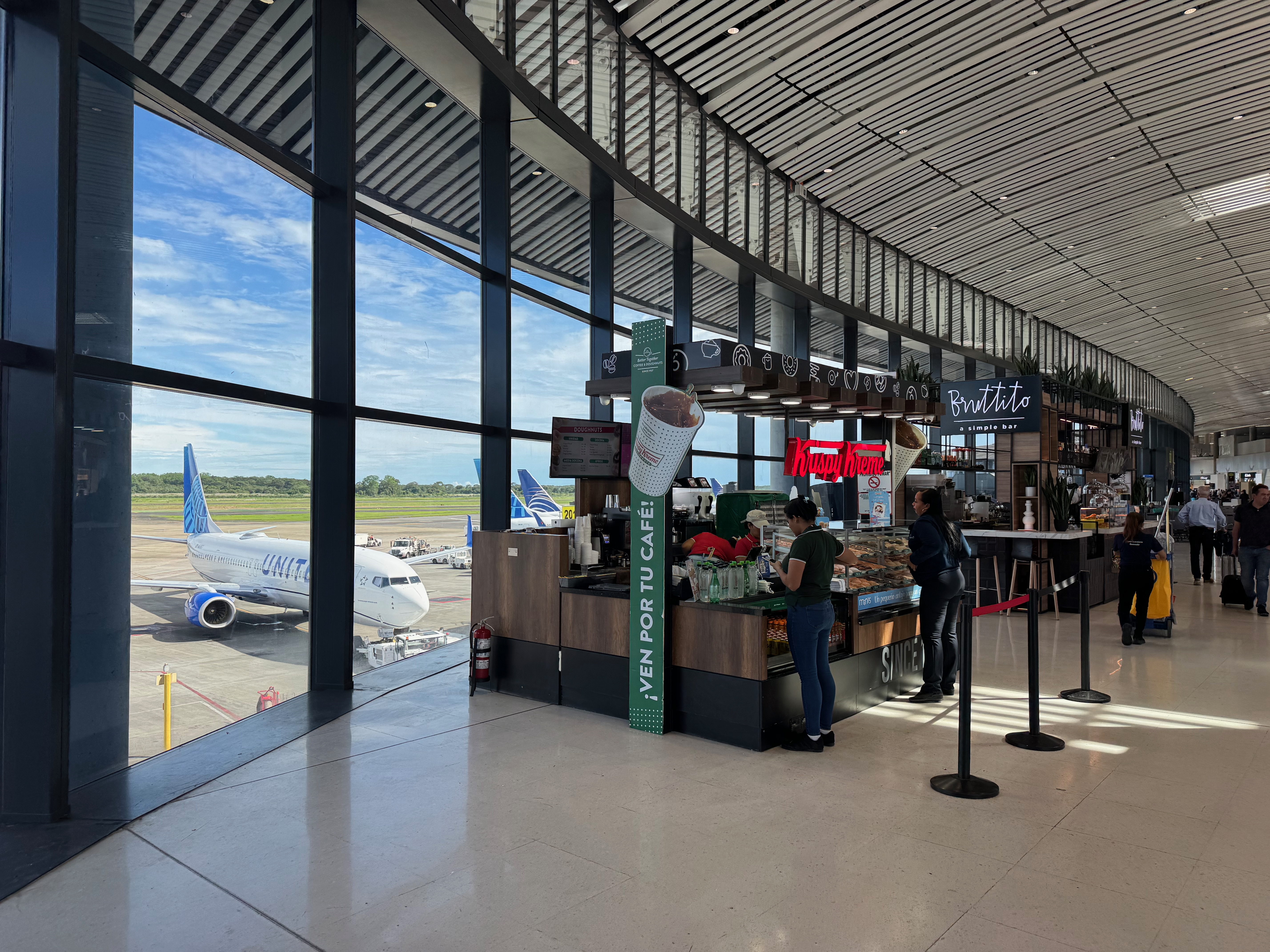
So up first, something of incredible personal importance. There is a Krispy Kreme in the Panama airport. If you have a choice in your connecting options, this may be important for you to consider. It’s rather advantageous actually, a sugar high just long enough to invigorate you through the hustle to your gate and a sugar crash that promotes a restful slumber in your seat.
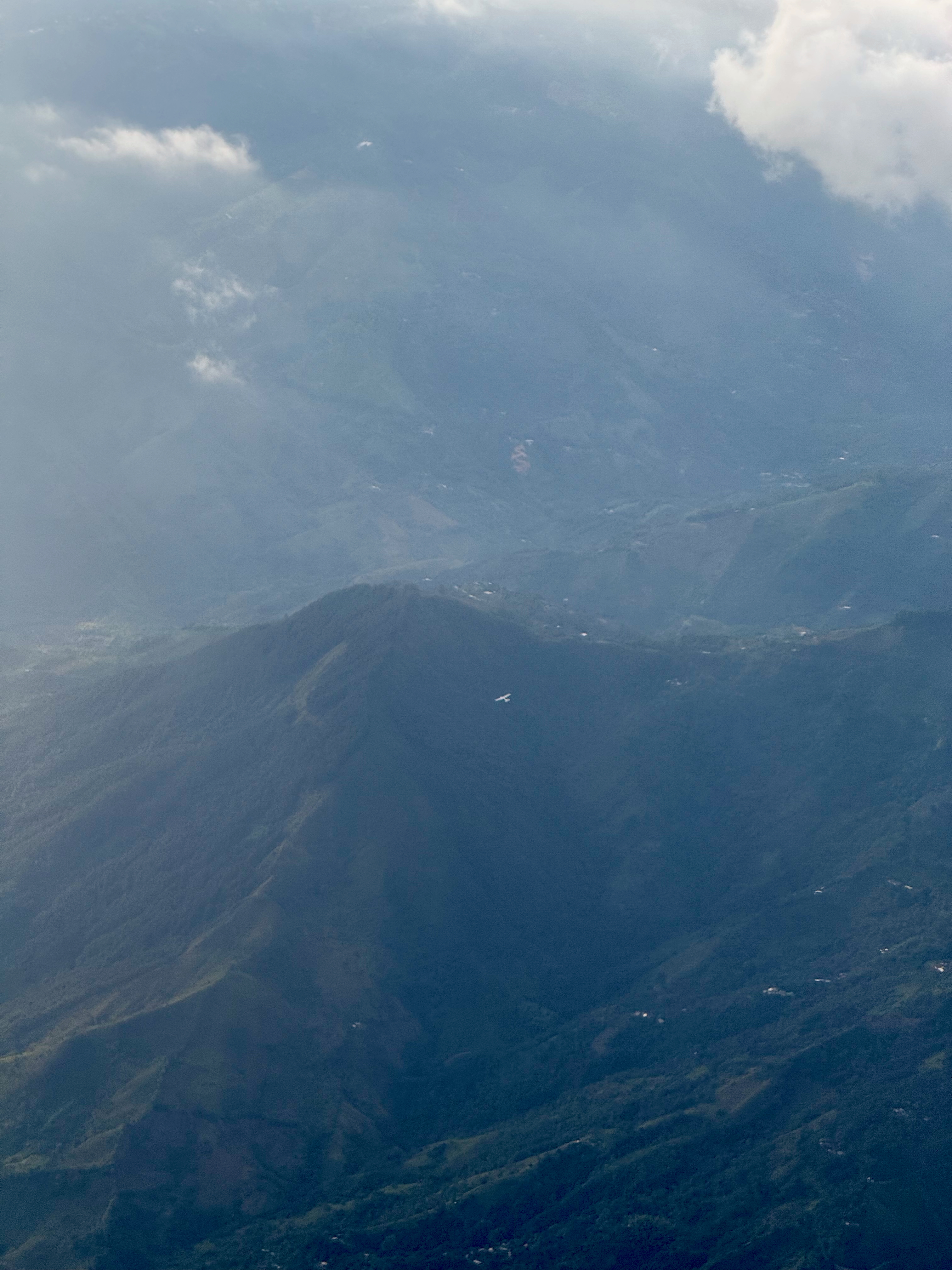
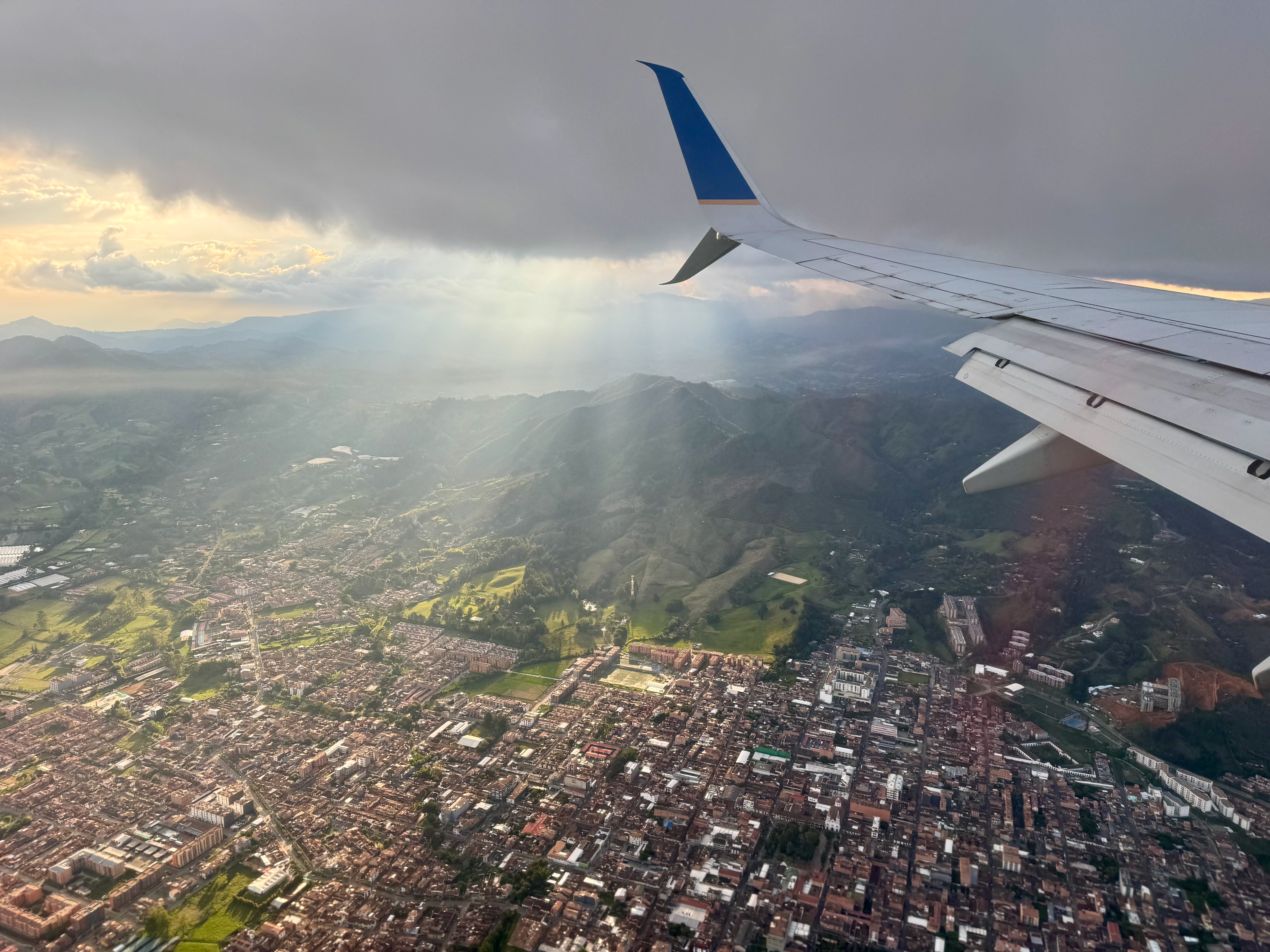
I flew in via Panama to some moody and beautiful weather in Medellín!
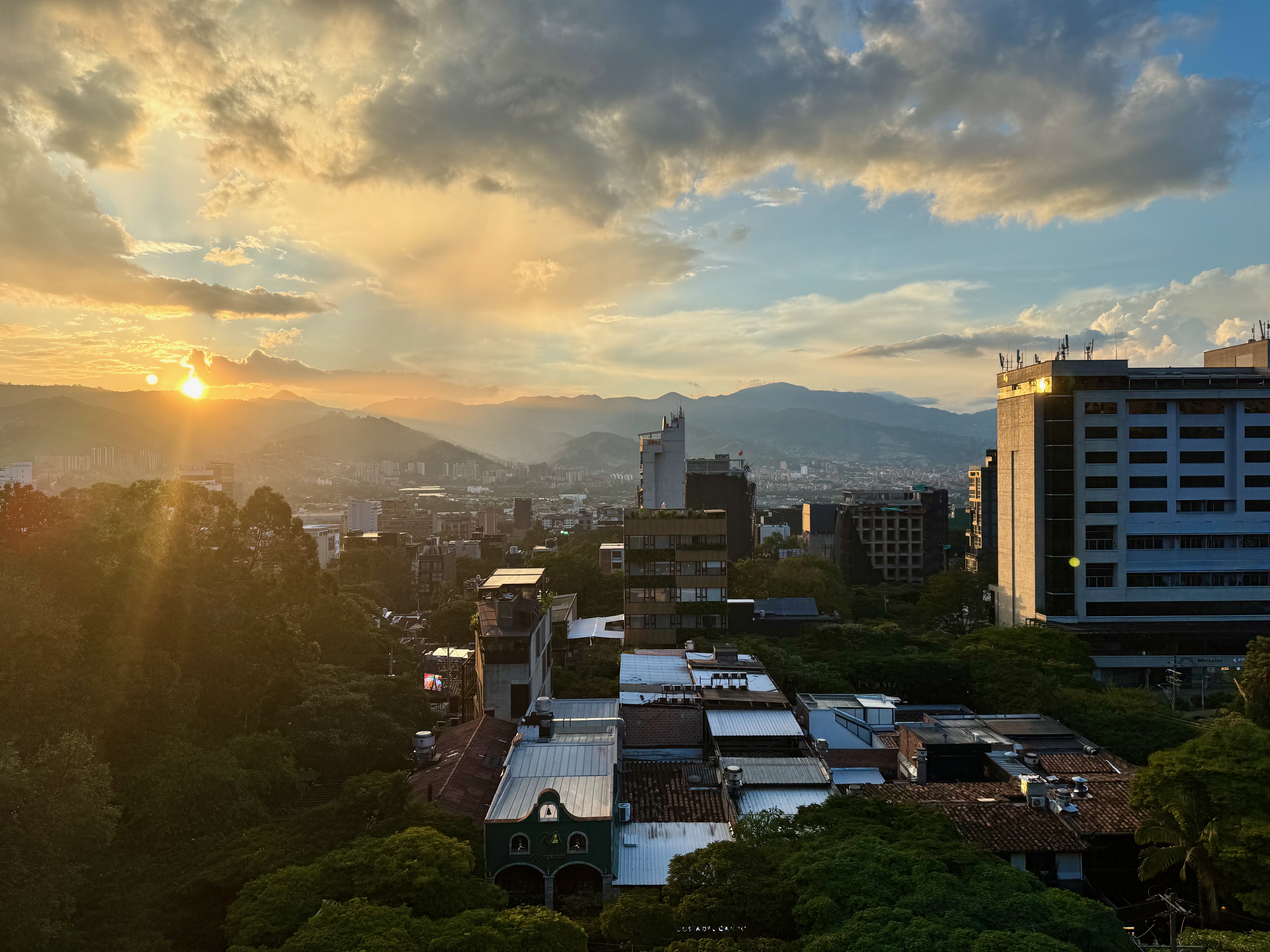
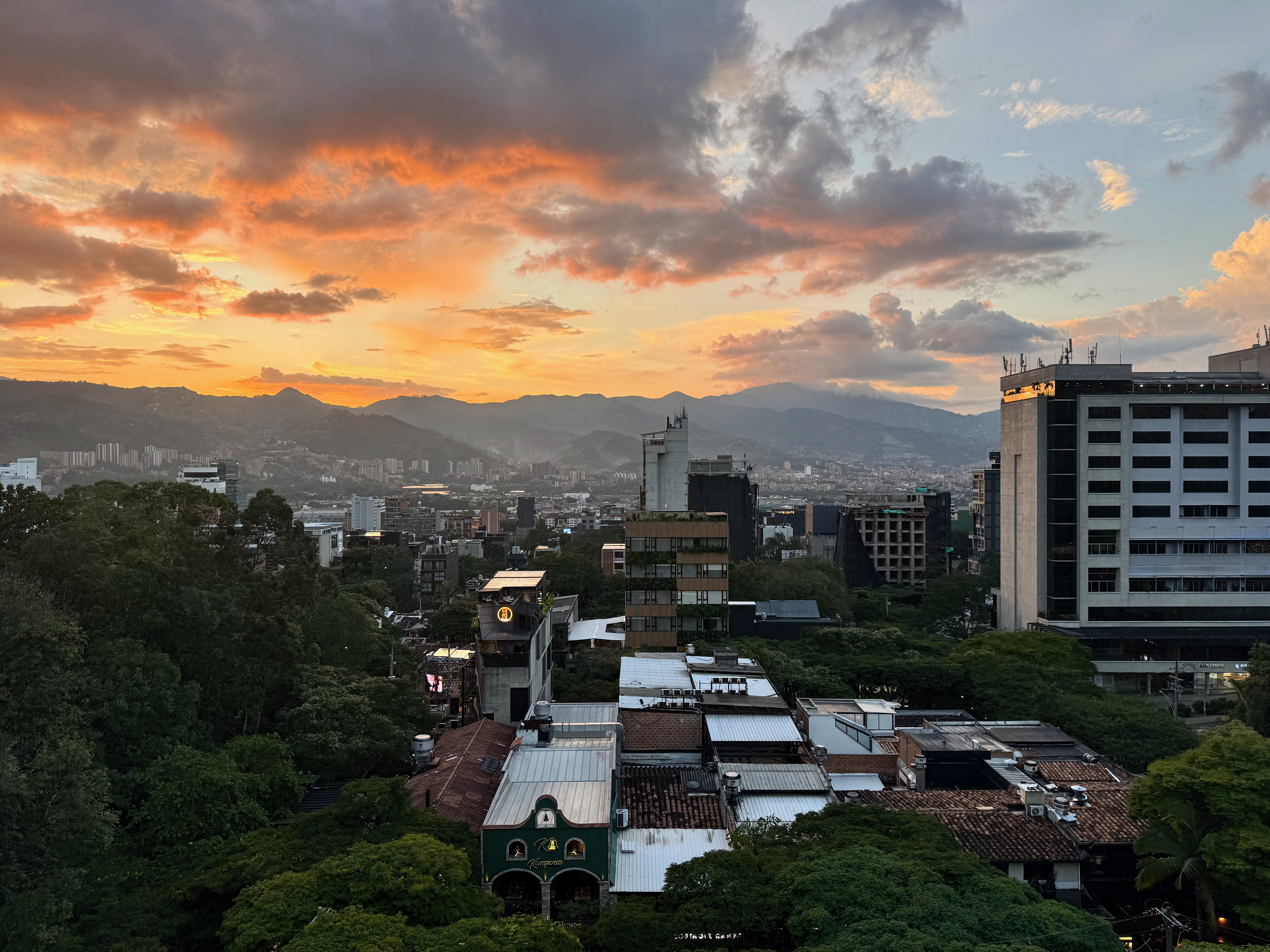
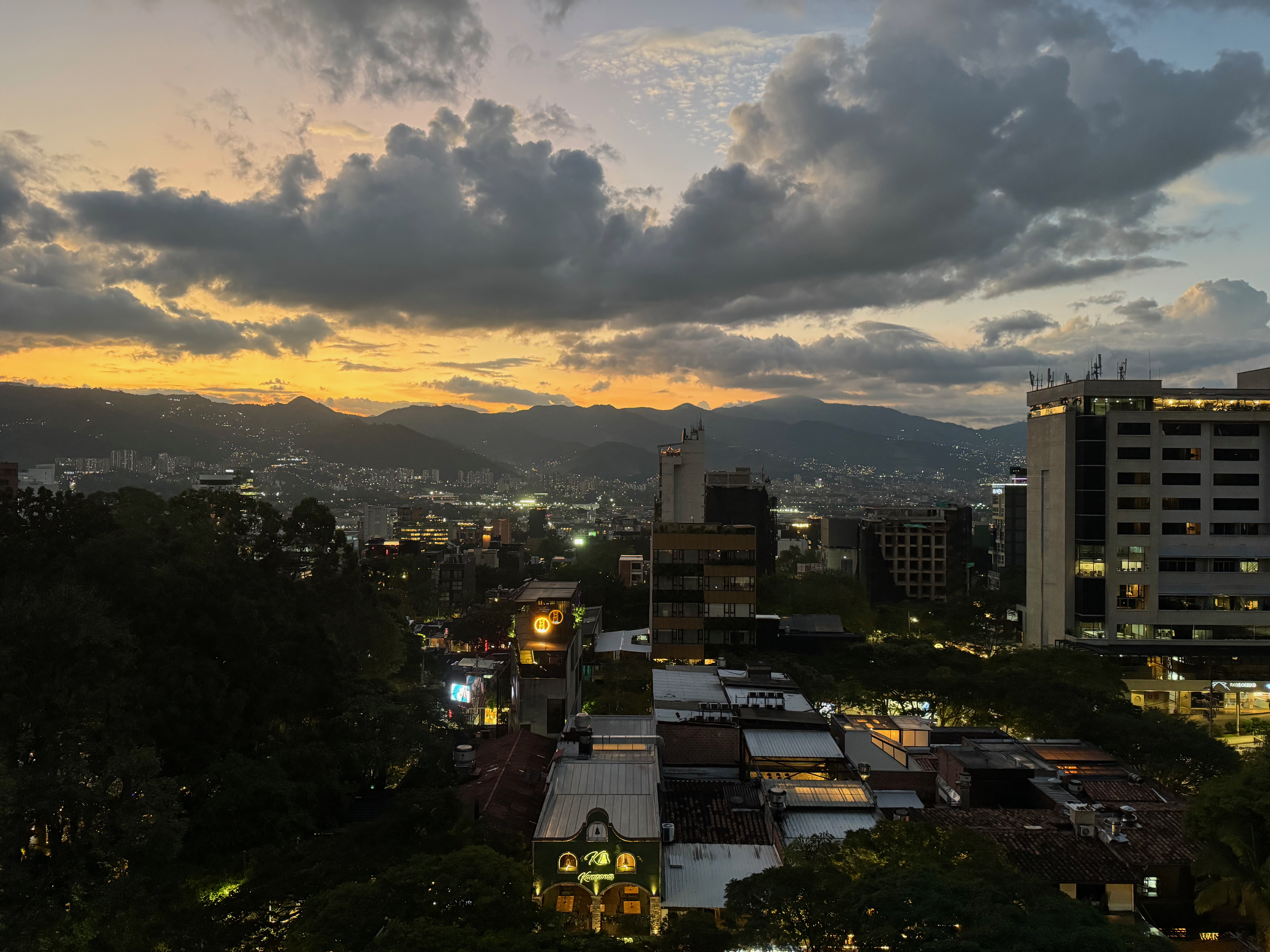
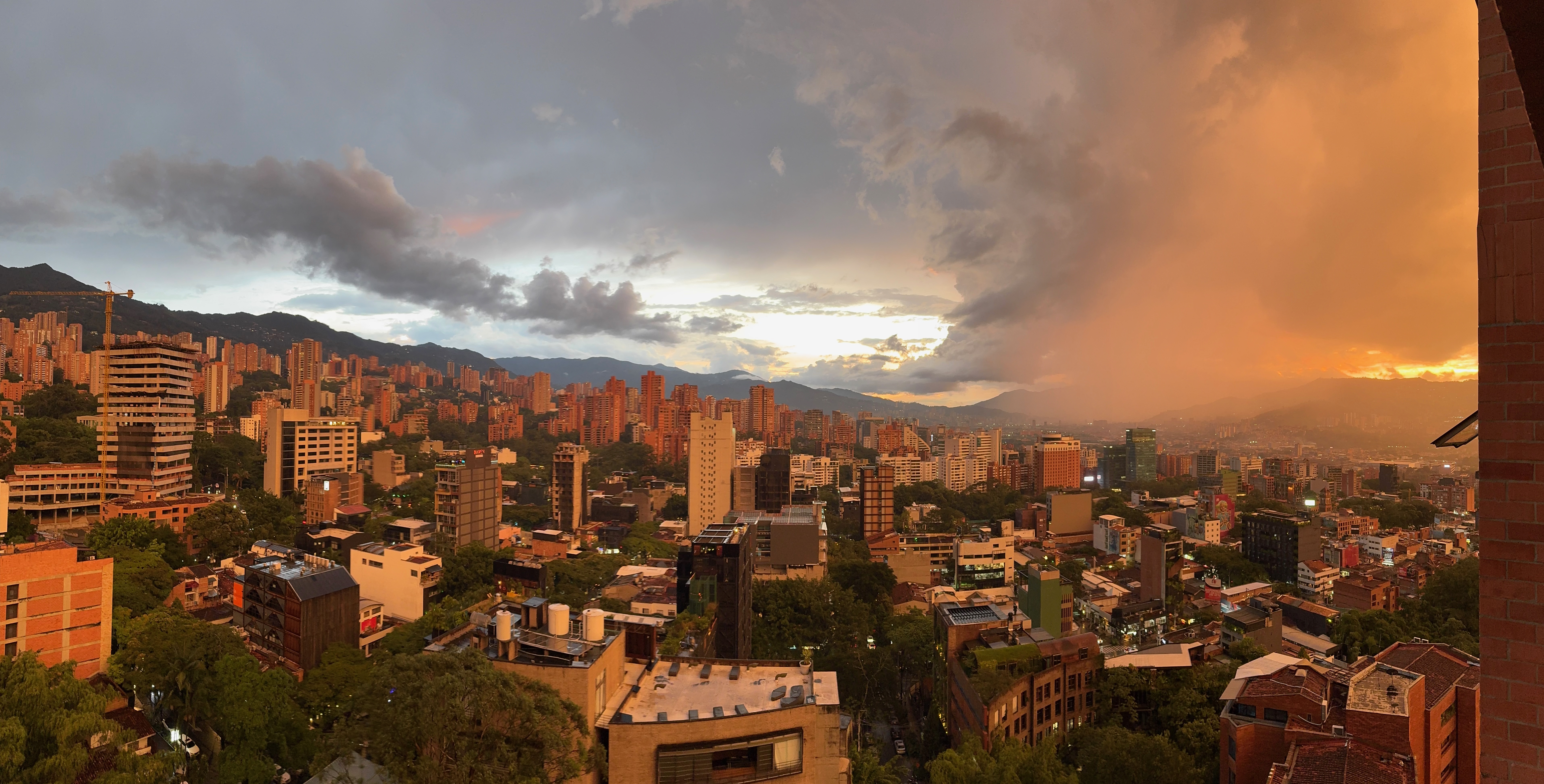
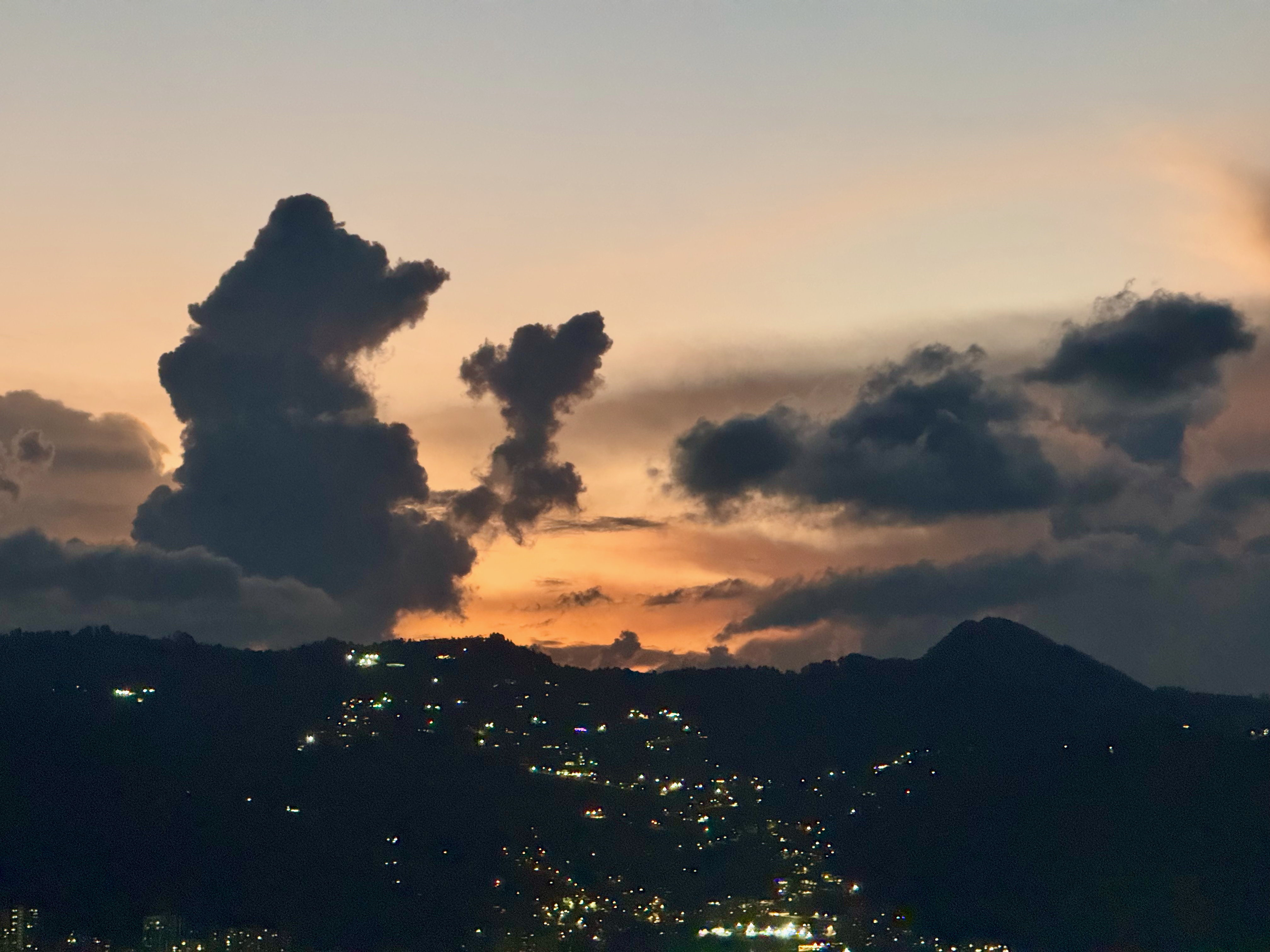
Coworking was out of Selina Coworking for the month and it worked out pretty well. The first few days we were at desks in an adjacent hotel room because the space was closed for oktoberfest. This sunset is looking west over El Poblado.
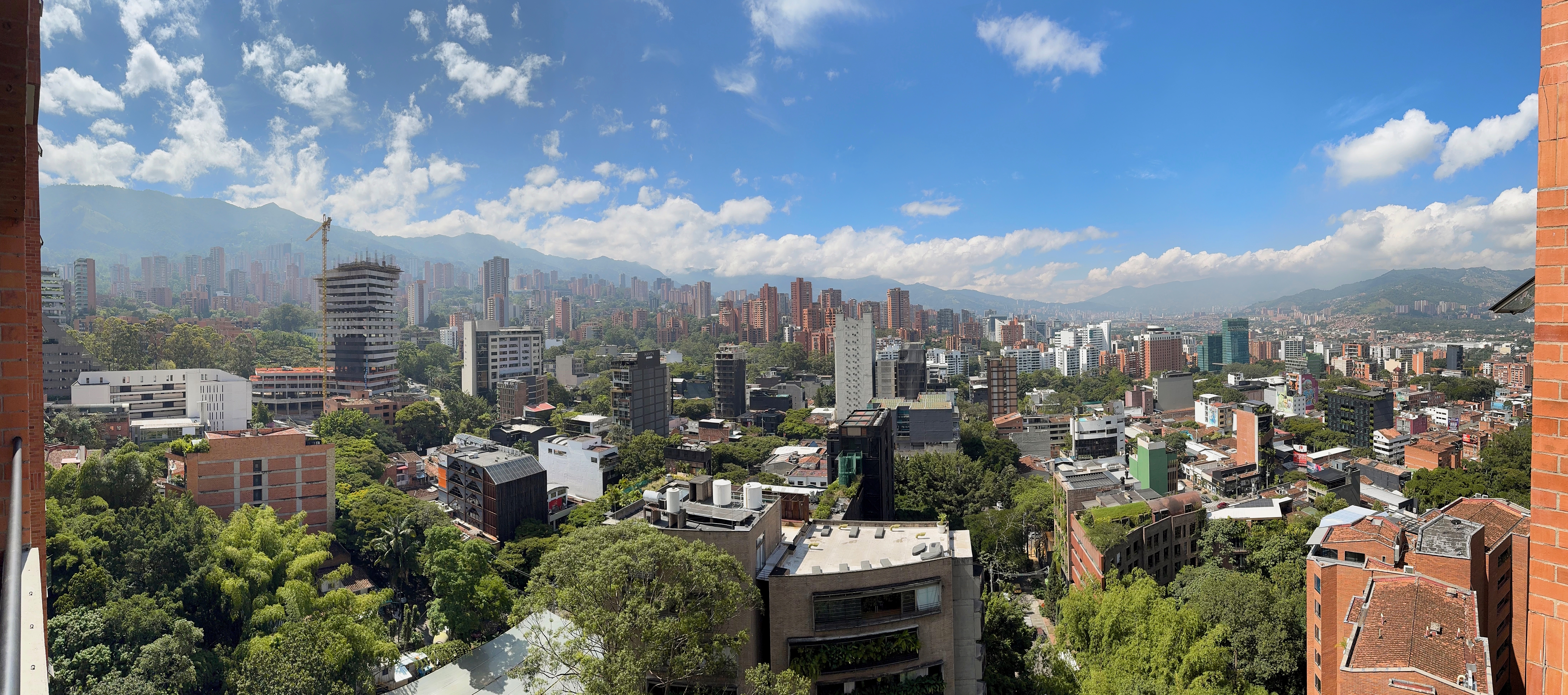
One more, now looking south over El Poblado from our apartment. I had three roomates for the month and we agreed to walk up all 17 floors every time we came home. This averaged around 60 floors a day for me. See The Comfort Crisis.
The Coffee Farm
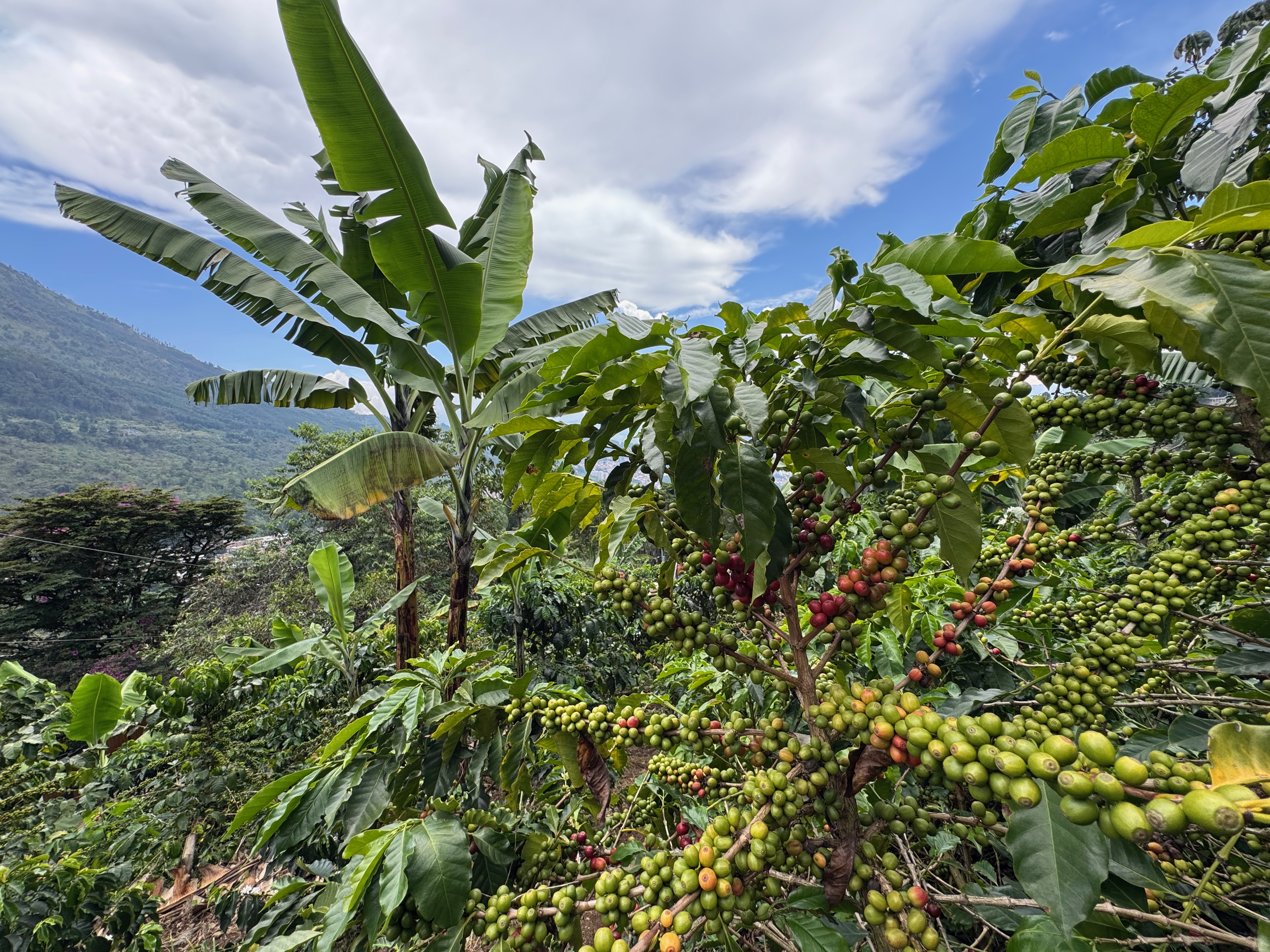
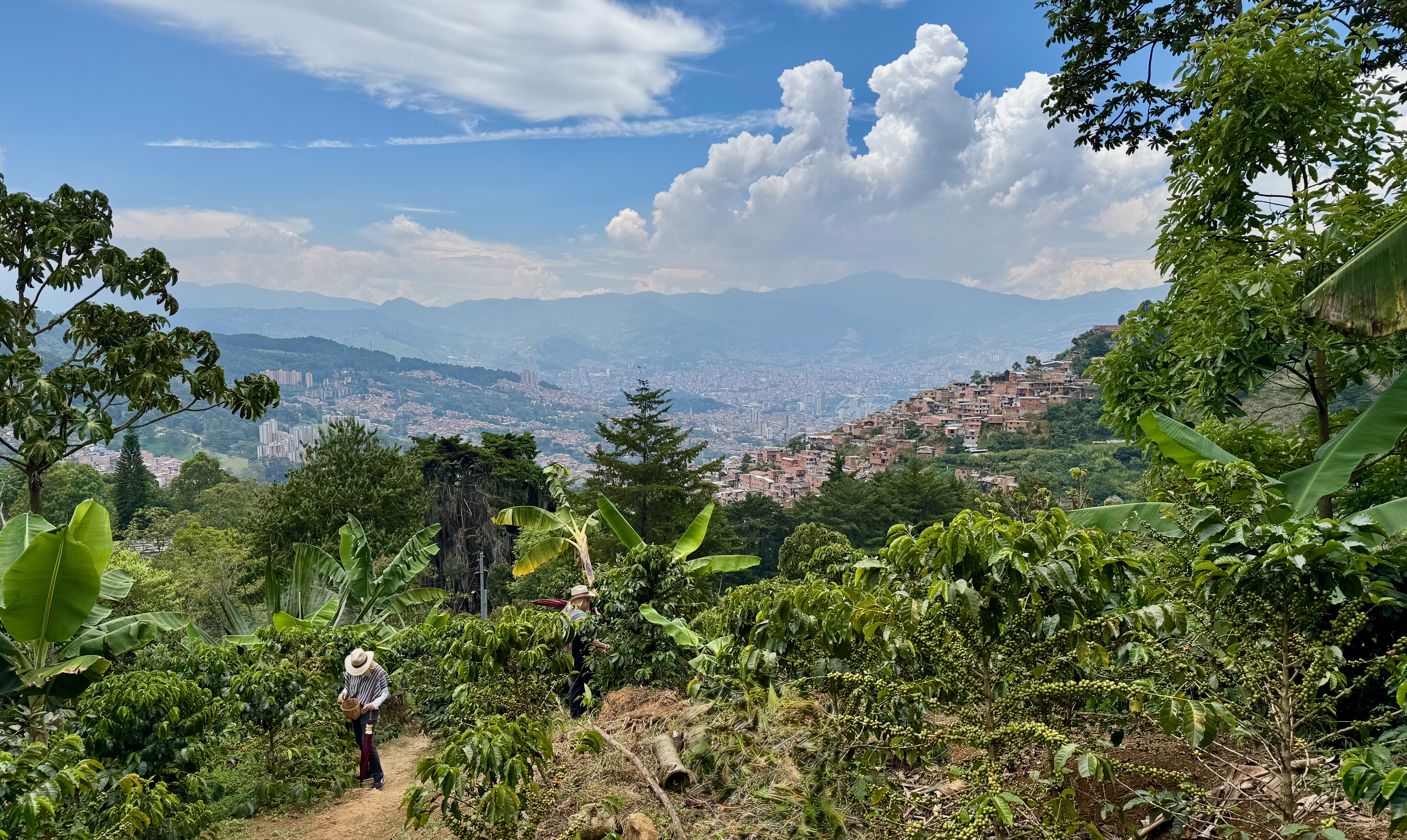
Also in the first week, we visited a coffee farm, Casa Grande.
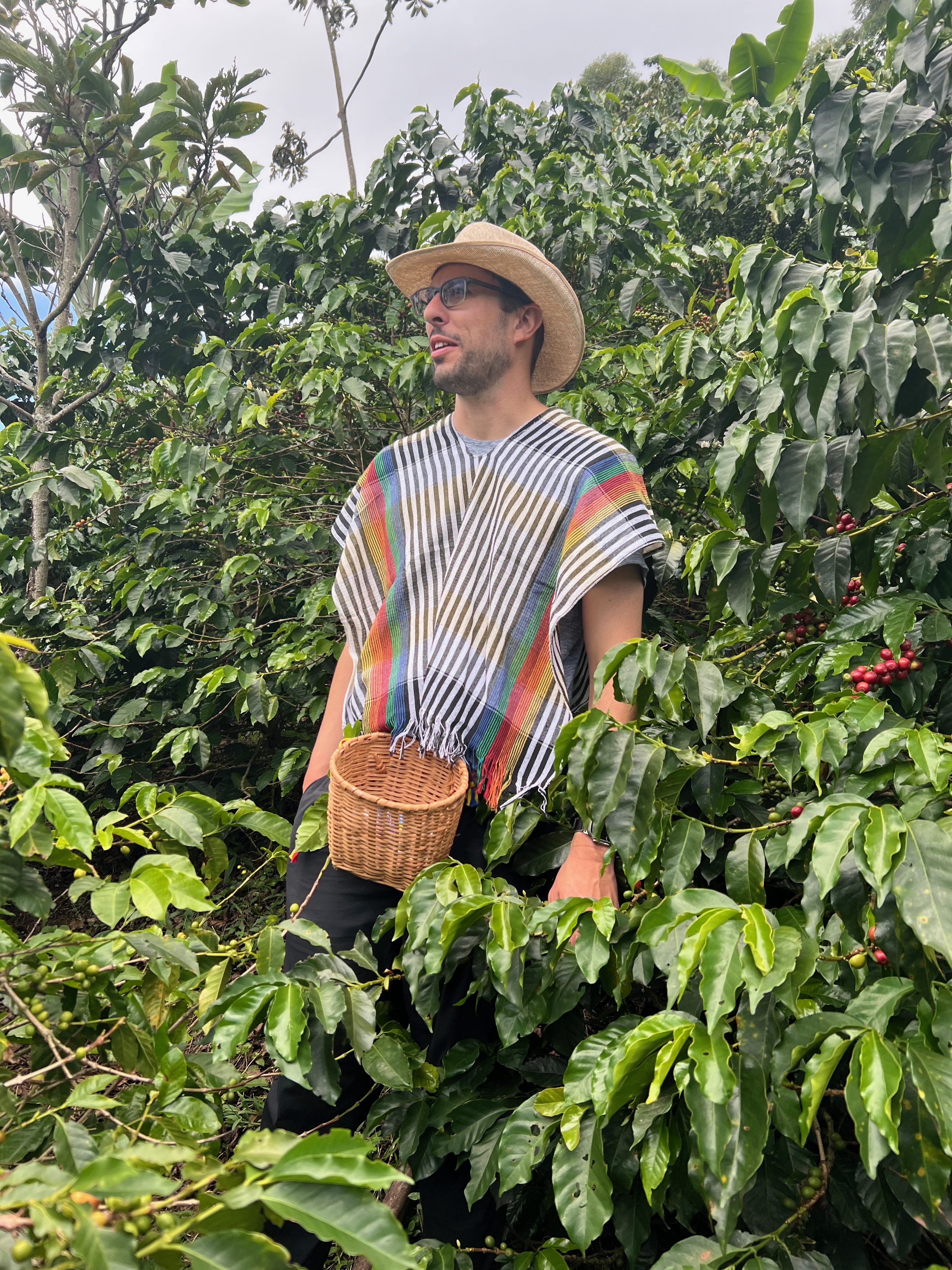
Picking
The coffee berries are picked when red, are sweet, and to me taste like cherries mixed with black tea. There are a few products made from the berries, including coffee tea, made of the dried fruits themselves.
Processing
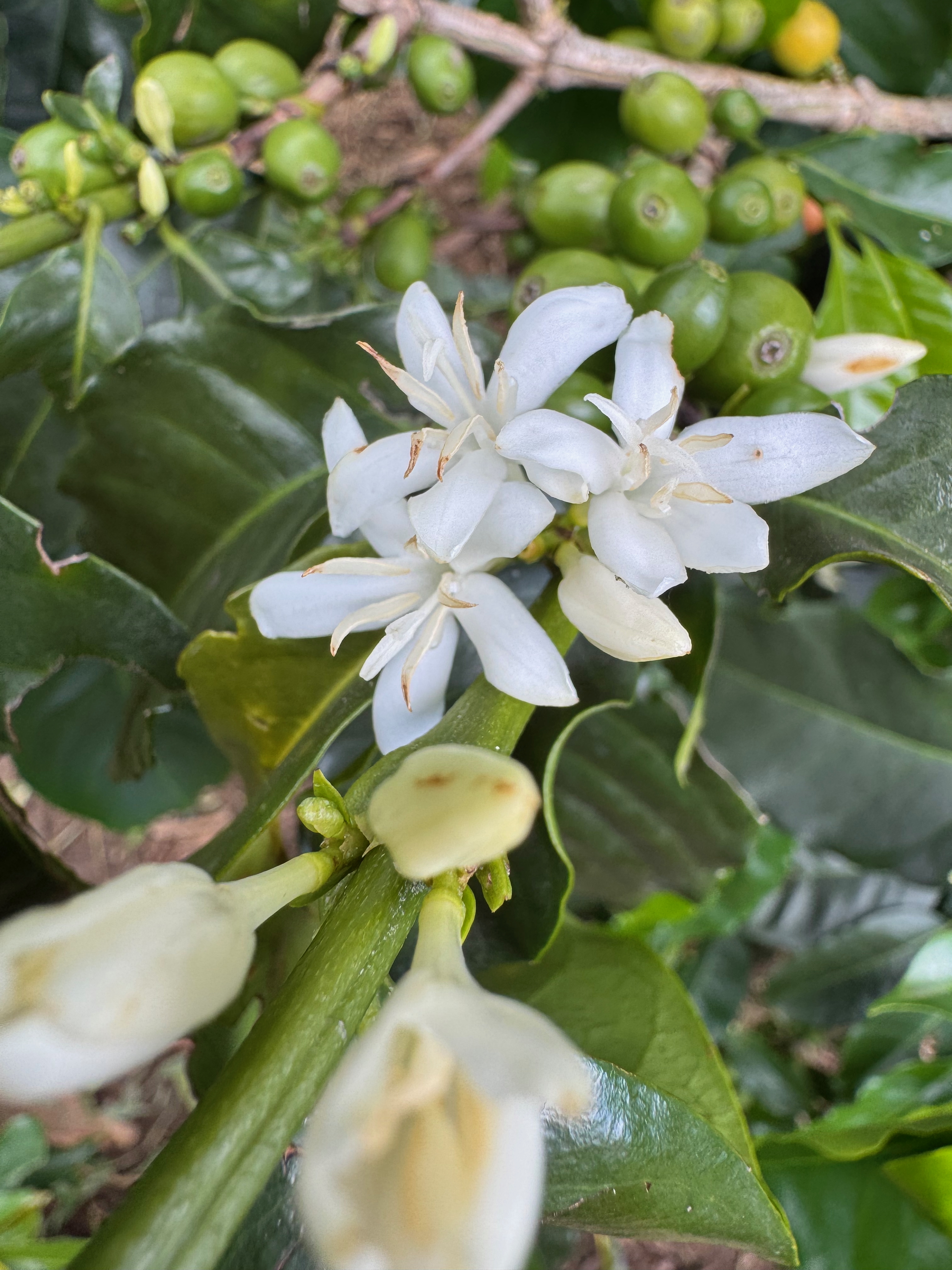
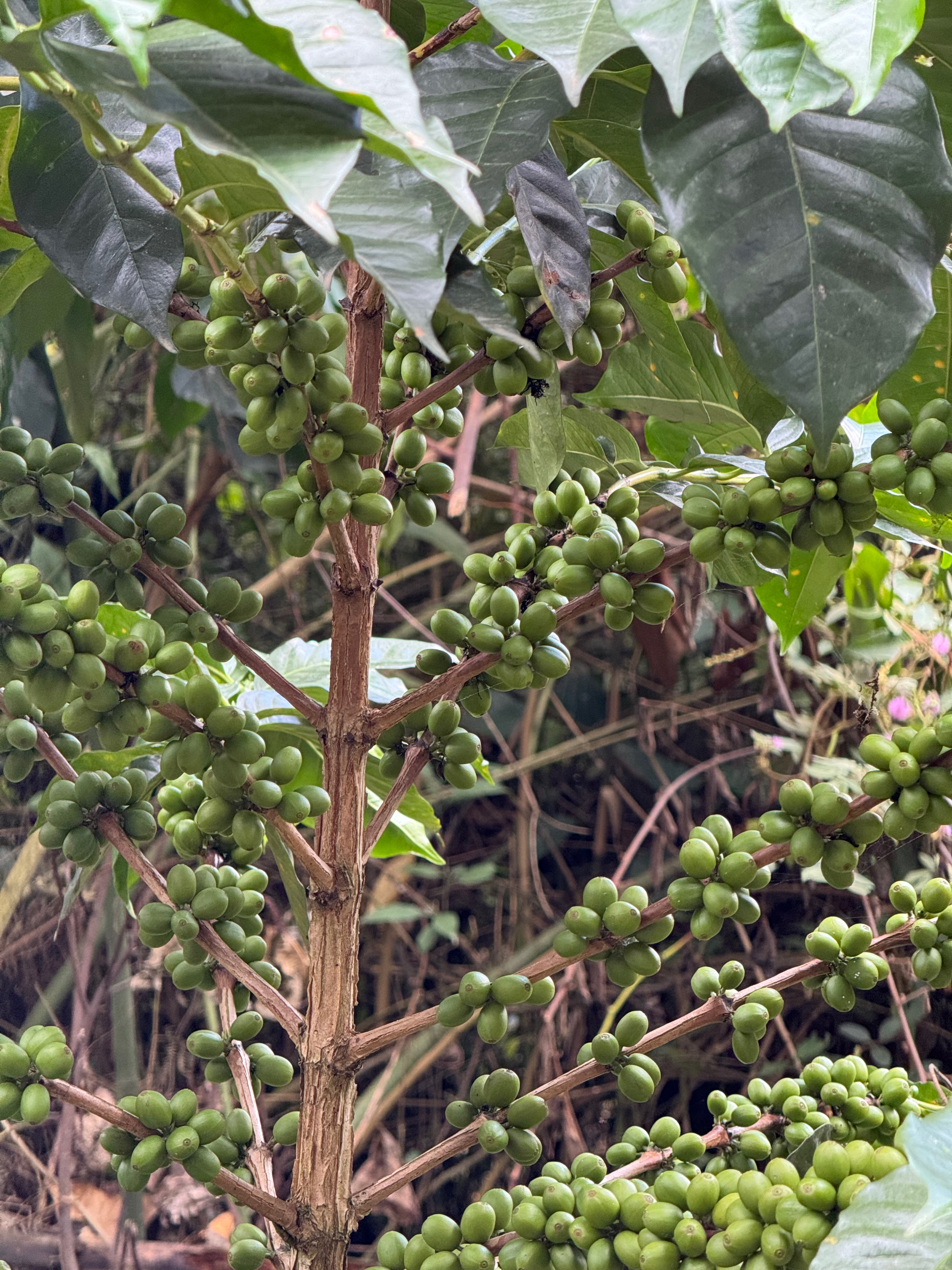
There are three primary methods of preparing the beans for roasting, each with their own flavor profiles:
- Washed (Wet) Processing: This Involves fermenting and washing the beans to remove mucilage. It Produces a cleaner cup with bright acidity, commonly used for high-quality Arabica beans.
- Natural (Dry) Processing: The cherries are dried with the fruit still intact, and then the beans are hulled. This method often results in fruity and heavier-bodied coffee, with higher sugar content and sweetness.
- Honey (Semi-Washed): Processing The mucilage is partially removed, but some remains during drying. Results in a balanced cup with a mix of acidity and sweetness, often used for specialty coffees.
In Colombia, the highest quality beans are exported, while lower-quality beans, like “pasilla,” (unwanted beans due to defects or overripe/underripe cherries) are reserved for local consumption, resulting in stronger, more robust blends. This bold-tasting brew, often served as “tinto,” remains a staple of daily Colombian culture, prioritizing boldness and affordability over complexity.
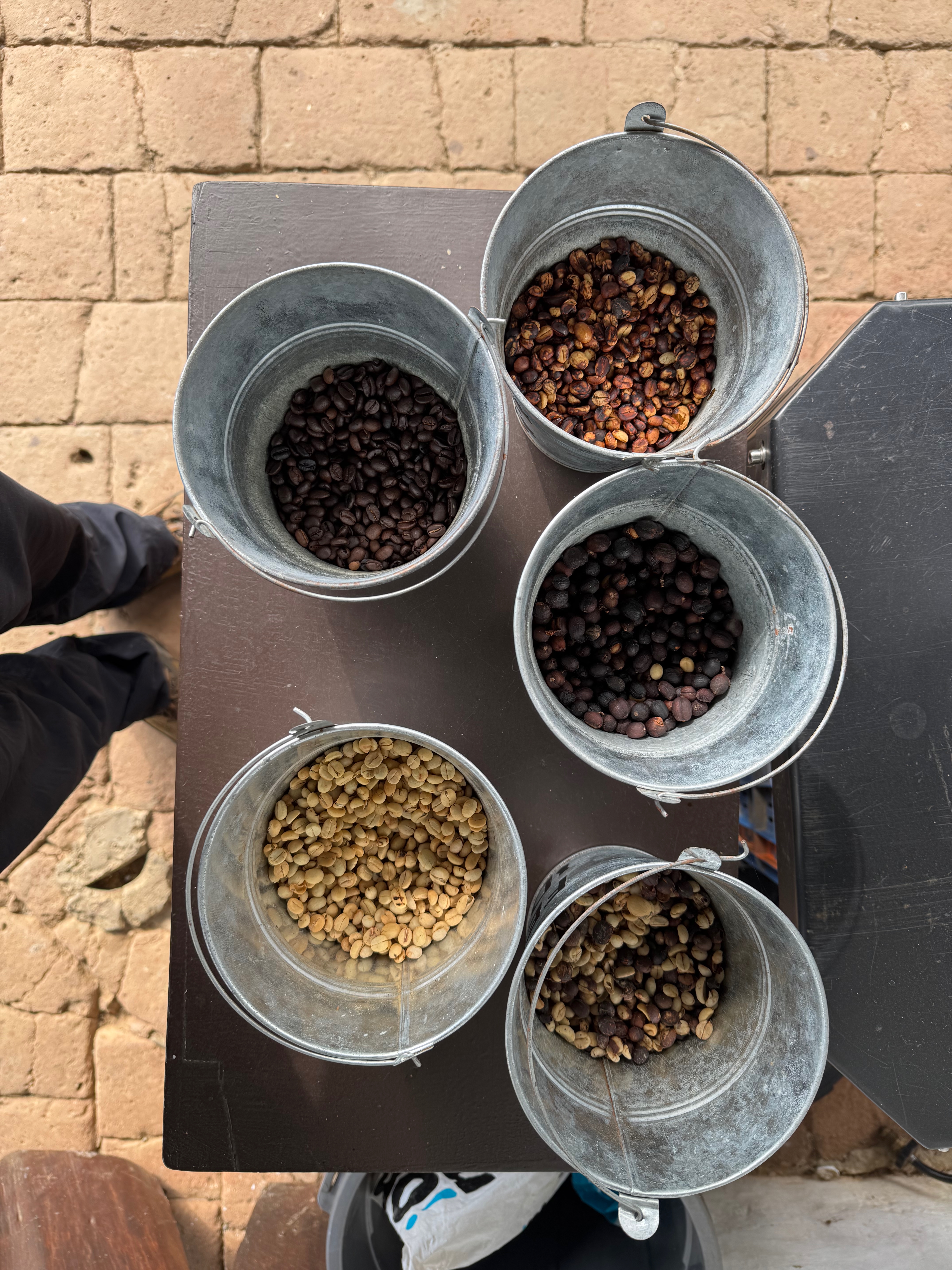
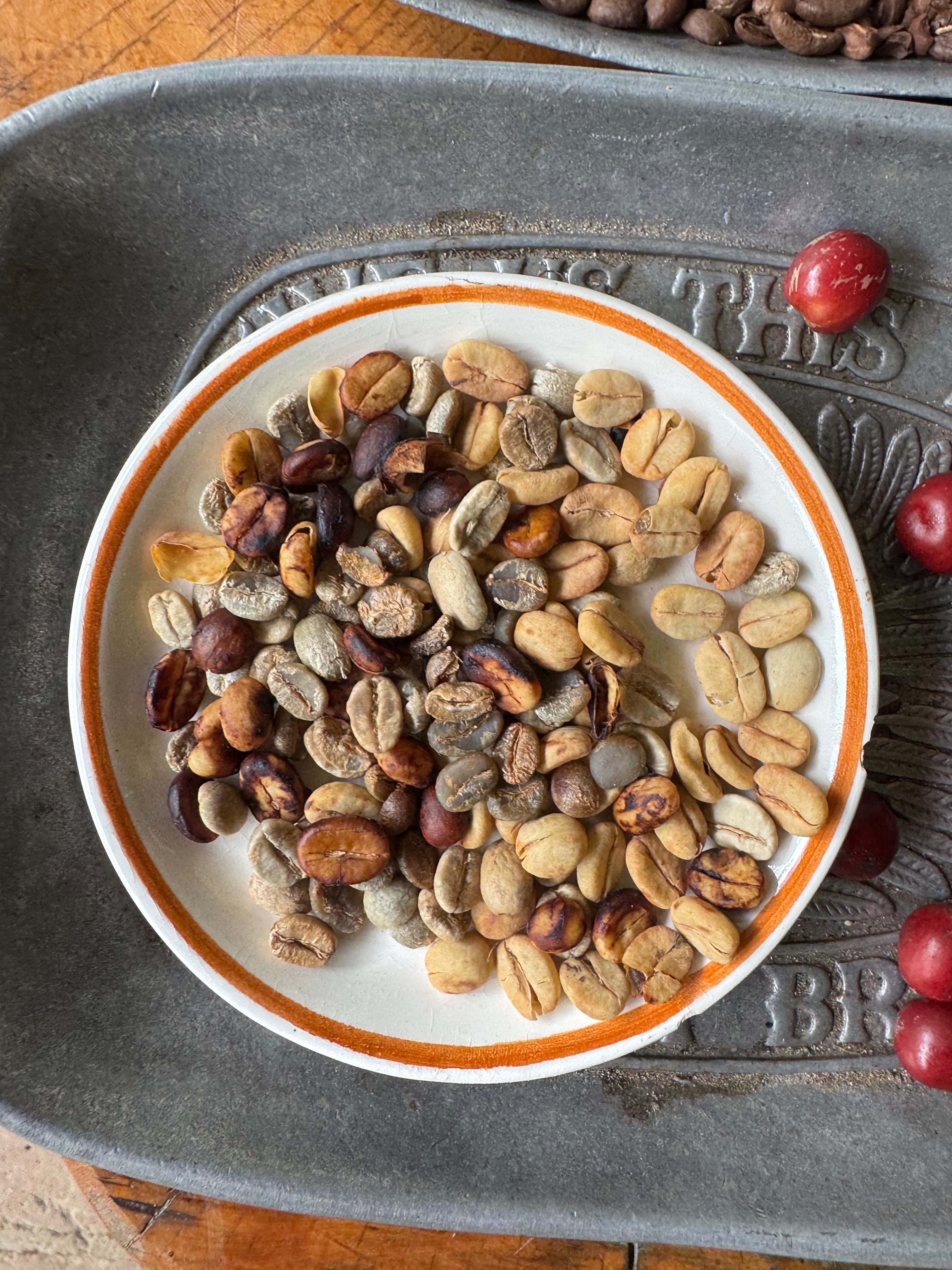
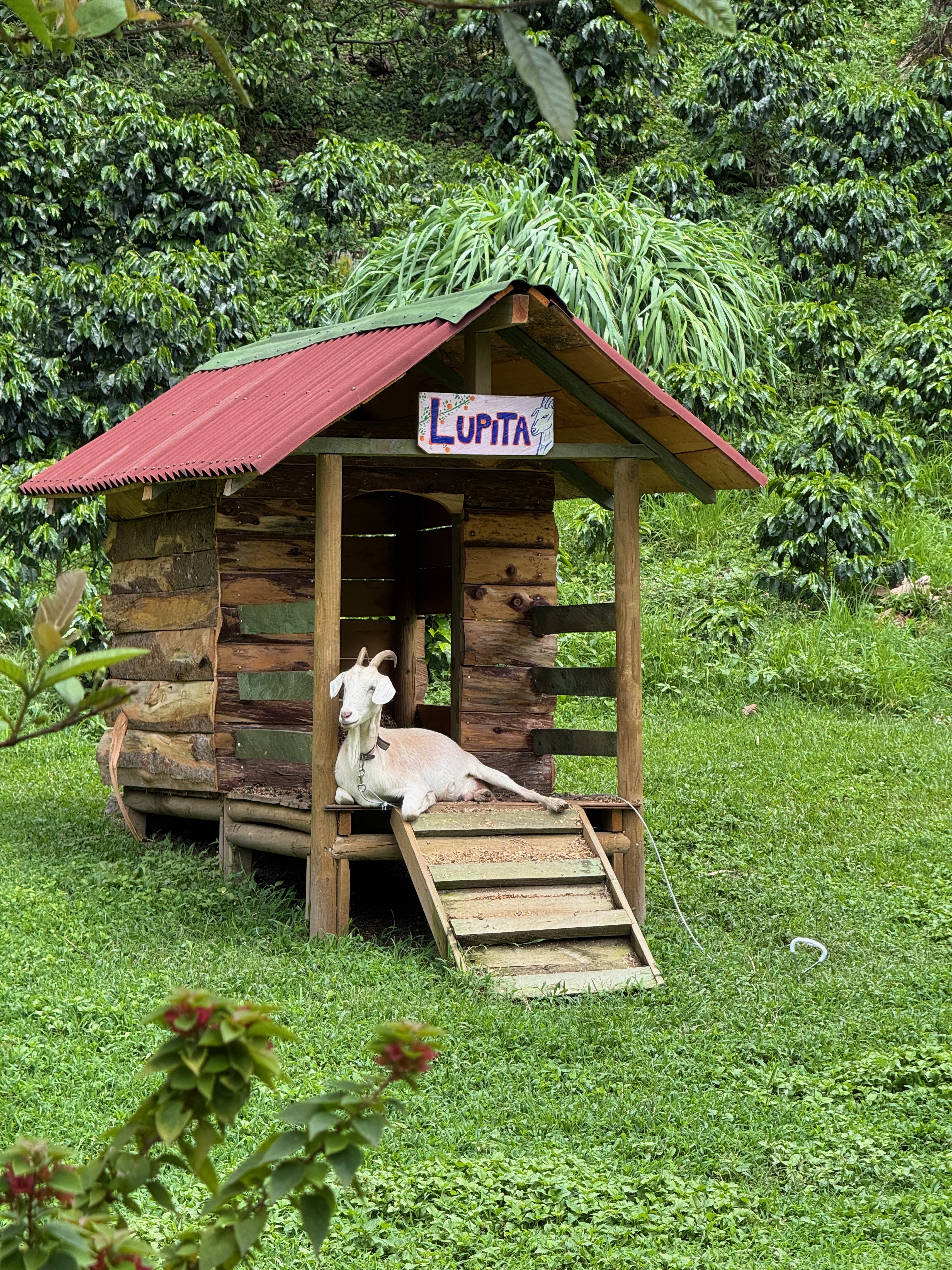
There is so much I want to share about this farm, like Lupita the goat, for example. Or the lunch we had. However, I did name this story an abridged month of Colombia. Ok, three more and I move on.
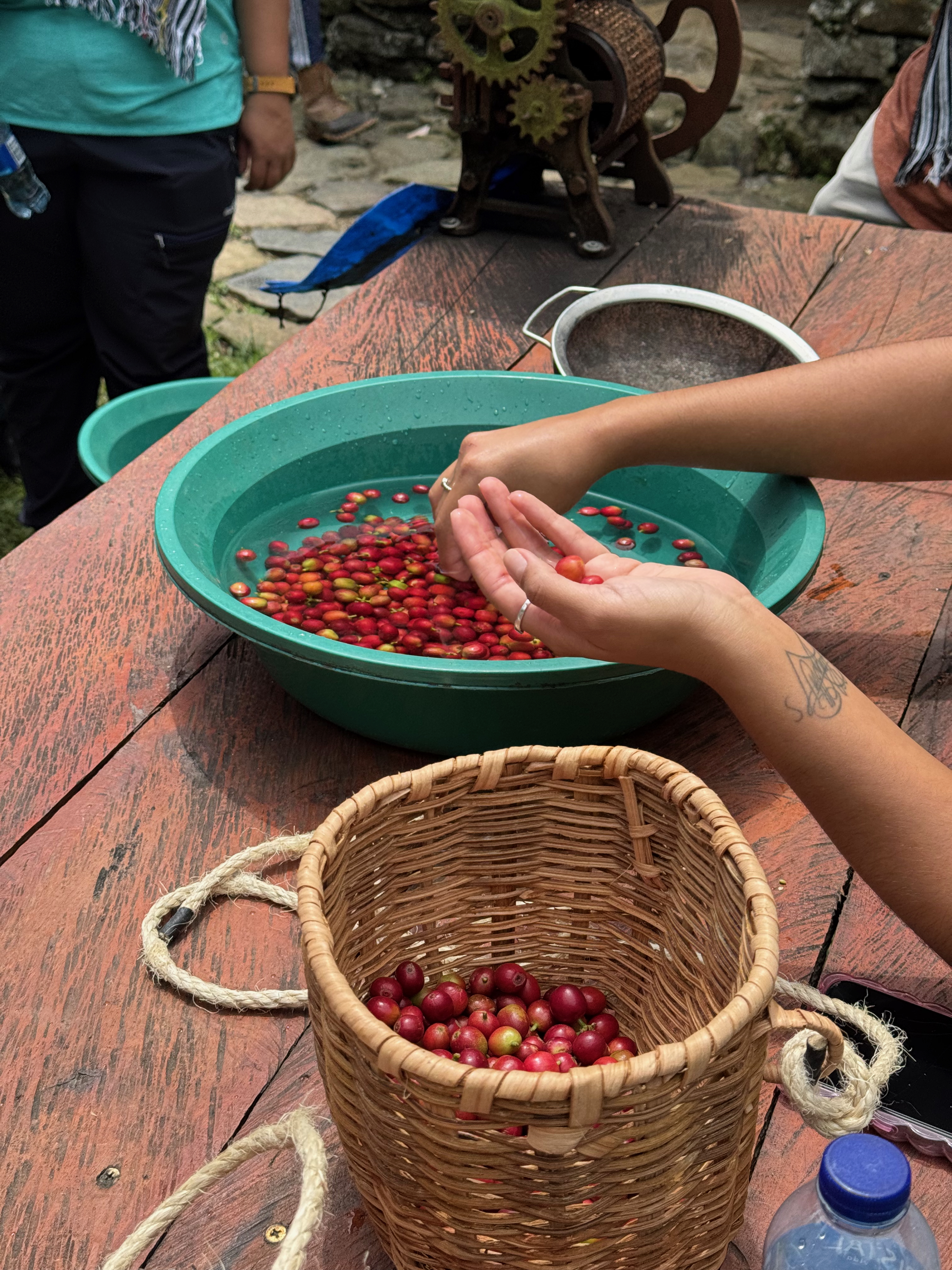
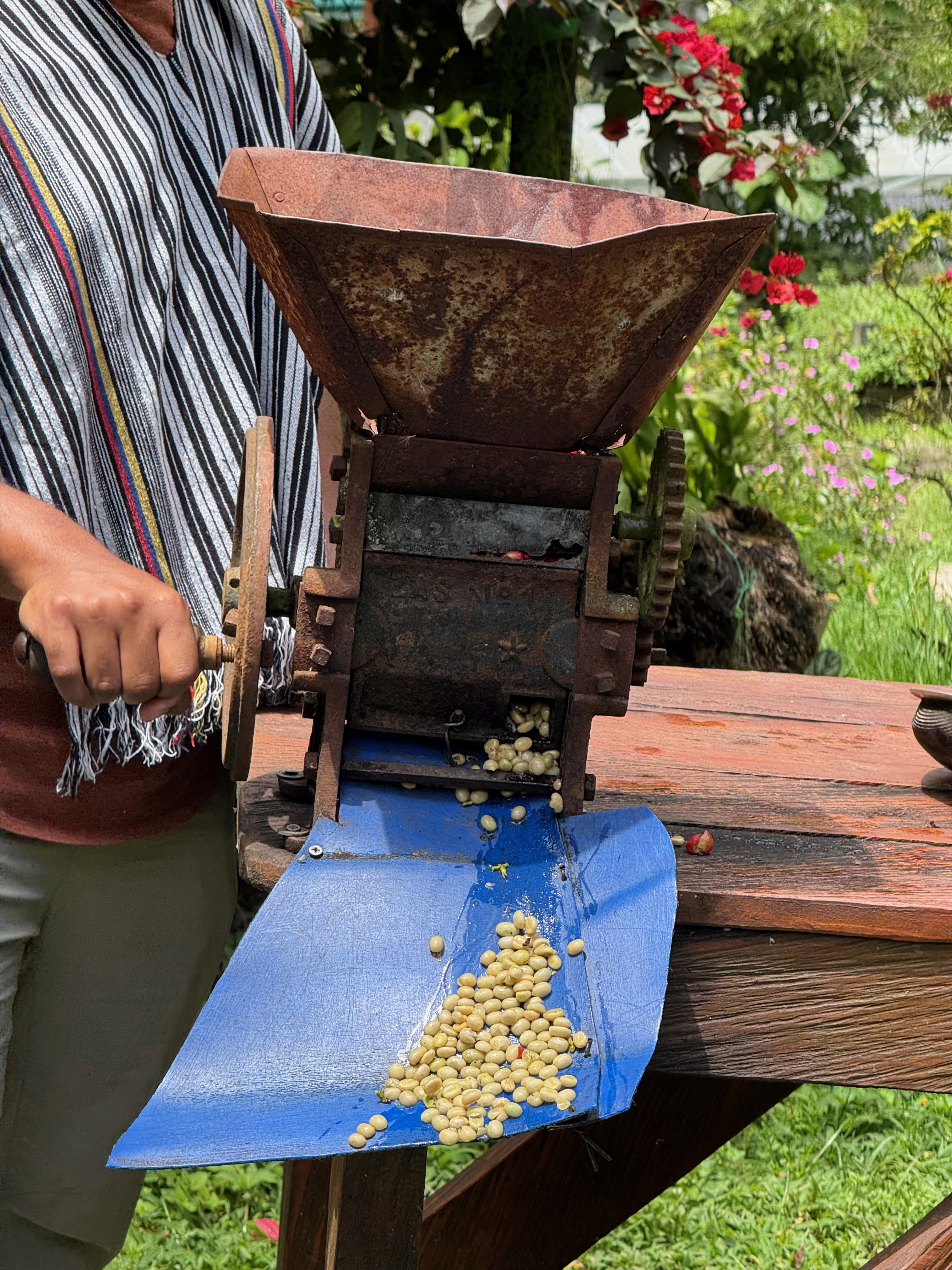
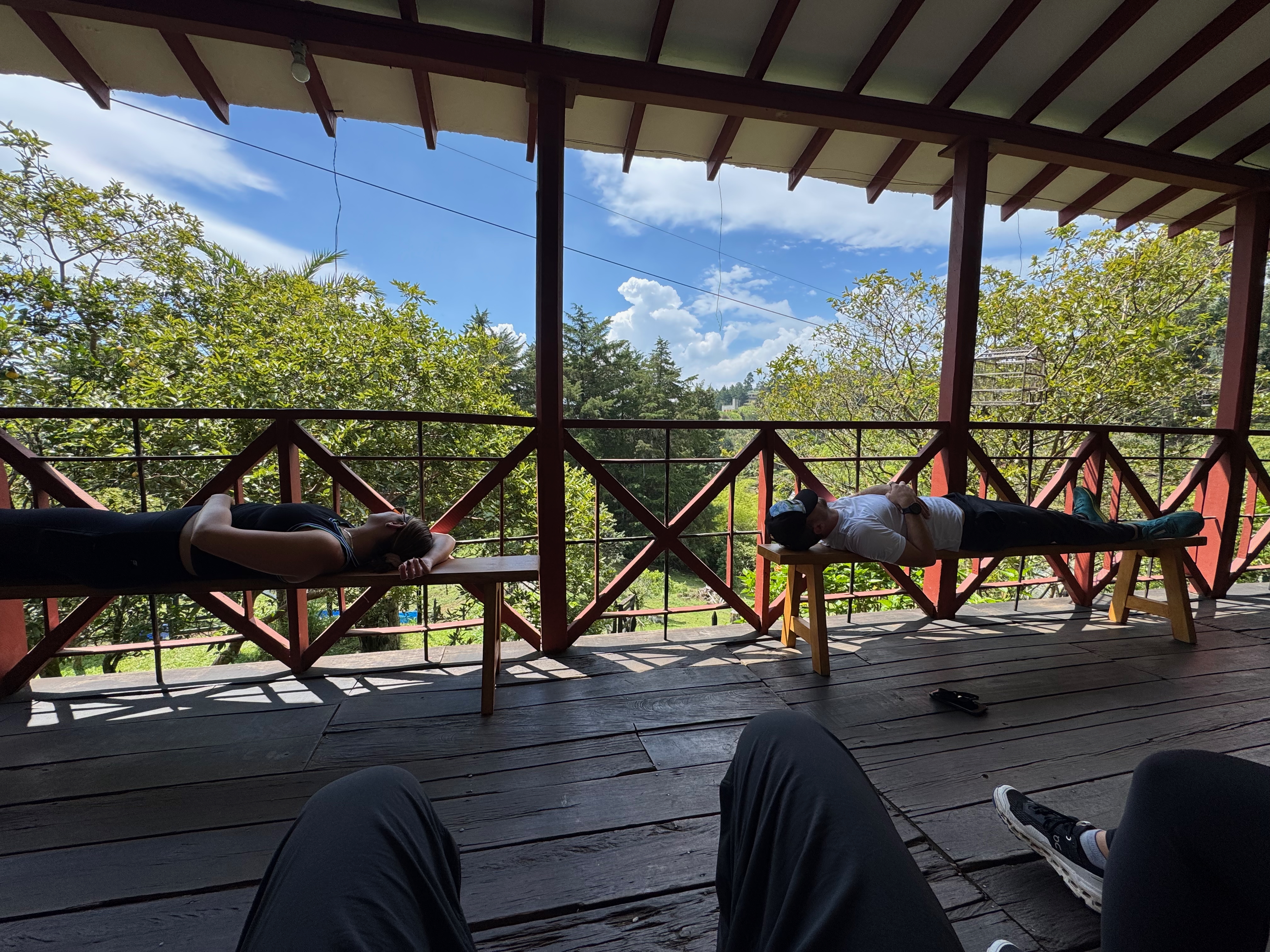
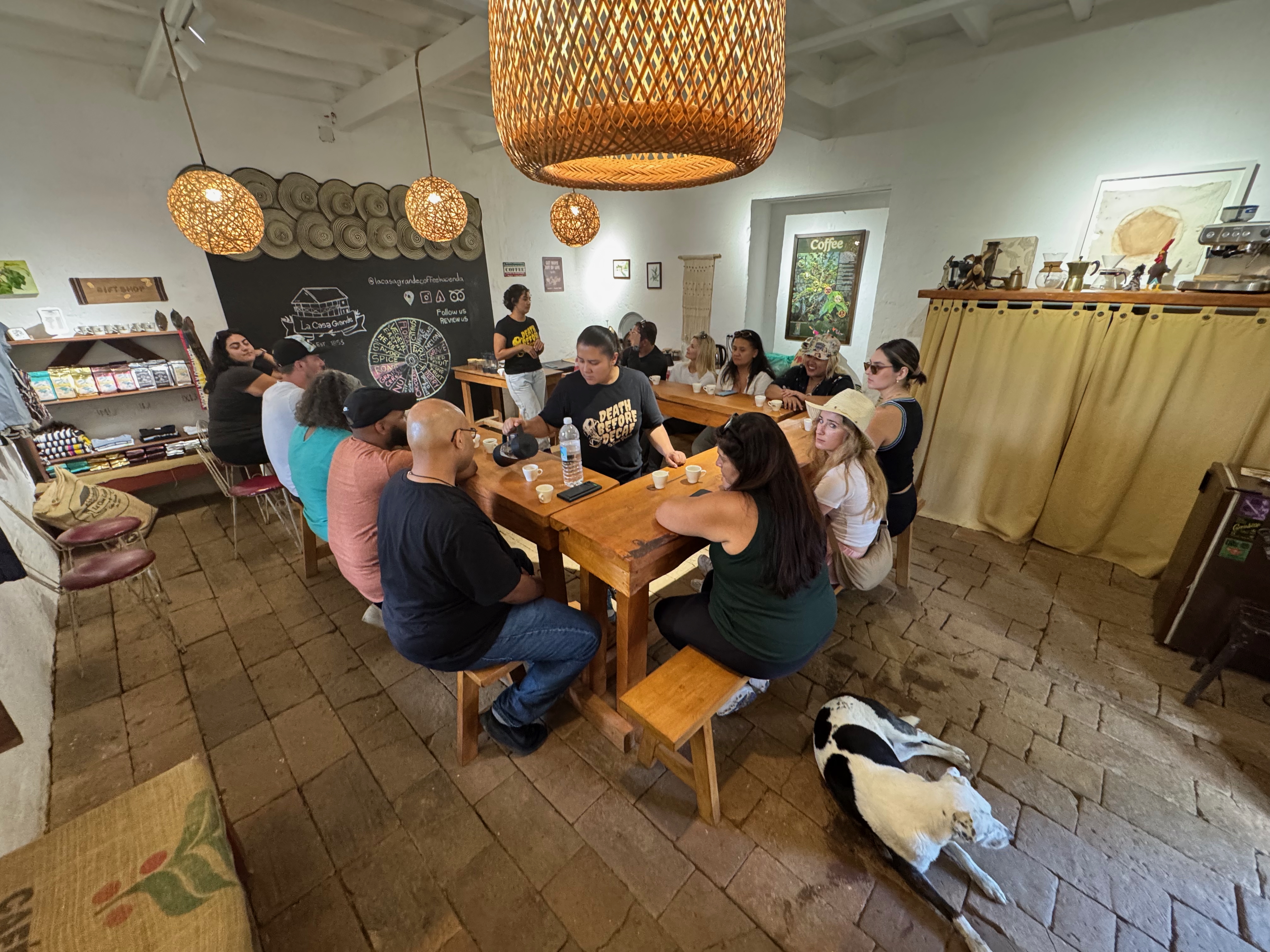
Ack, two more. The tour made us sleepy, but the coffee tasting helped put us back on our feet.
Back home, evening storms start rolling through.
Guatapé
Guatape means “stones and water” in Quechua.
We left pretty early in the morning to drive from Medellín to Guatapé. On the way we had a great local breakfast with fresh pineapple tea, arepas, eggs, and more. Also on the way we rented a boat for a bit and got in some swimming. Some in the group went wakeboarding. I don’t have many pictures of those so we’ll skip right to early afternoon of this outing when we come up on Guatapé
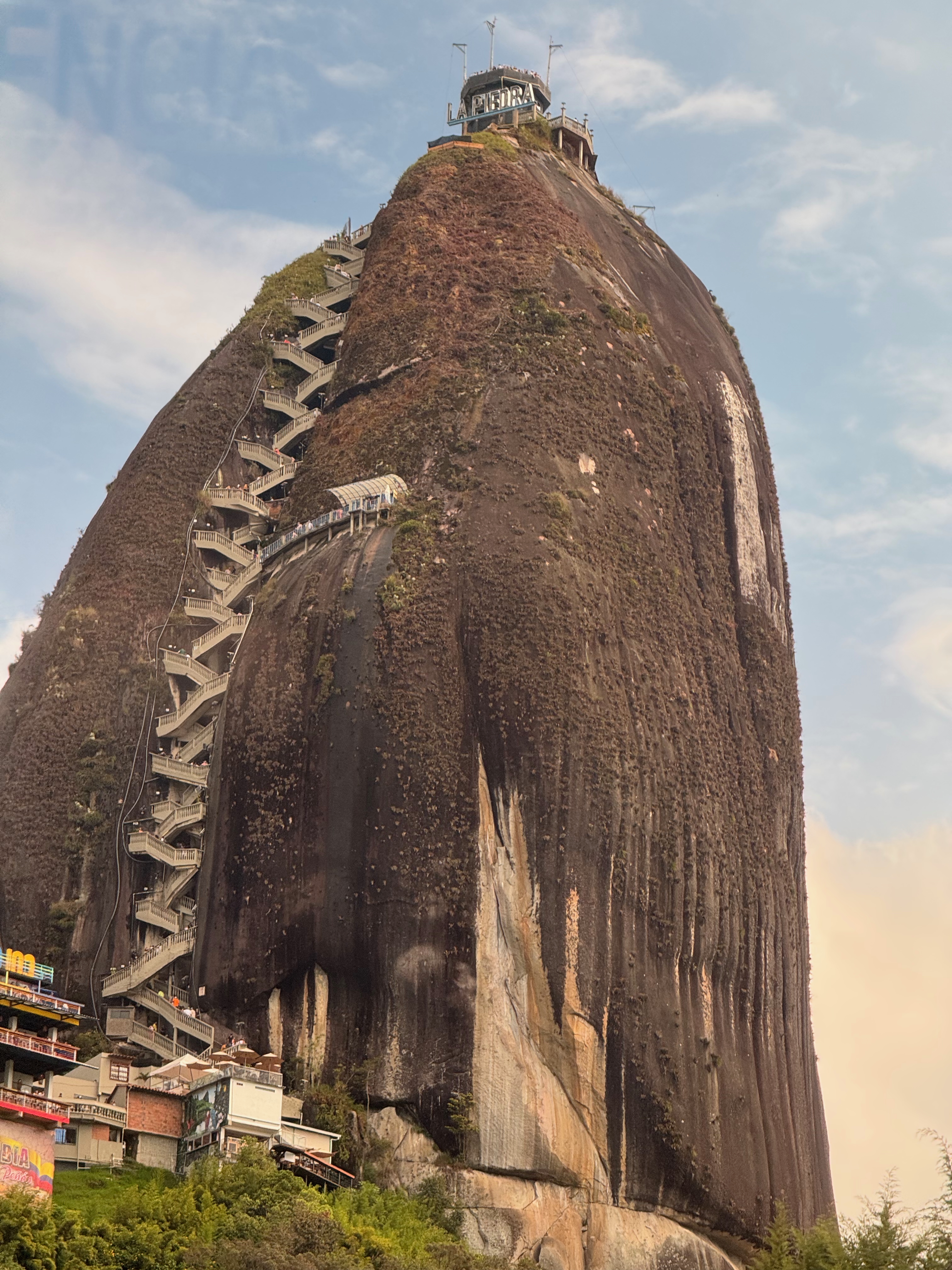
If you read and recall above, my roommates and I had committed to doing the stairs for the month, so we were ready for the Guatapé stairs. In fact, a few of us decided to race up. Spoiler alert: the Ironman runner in our group won. But only by a few seconds.
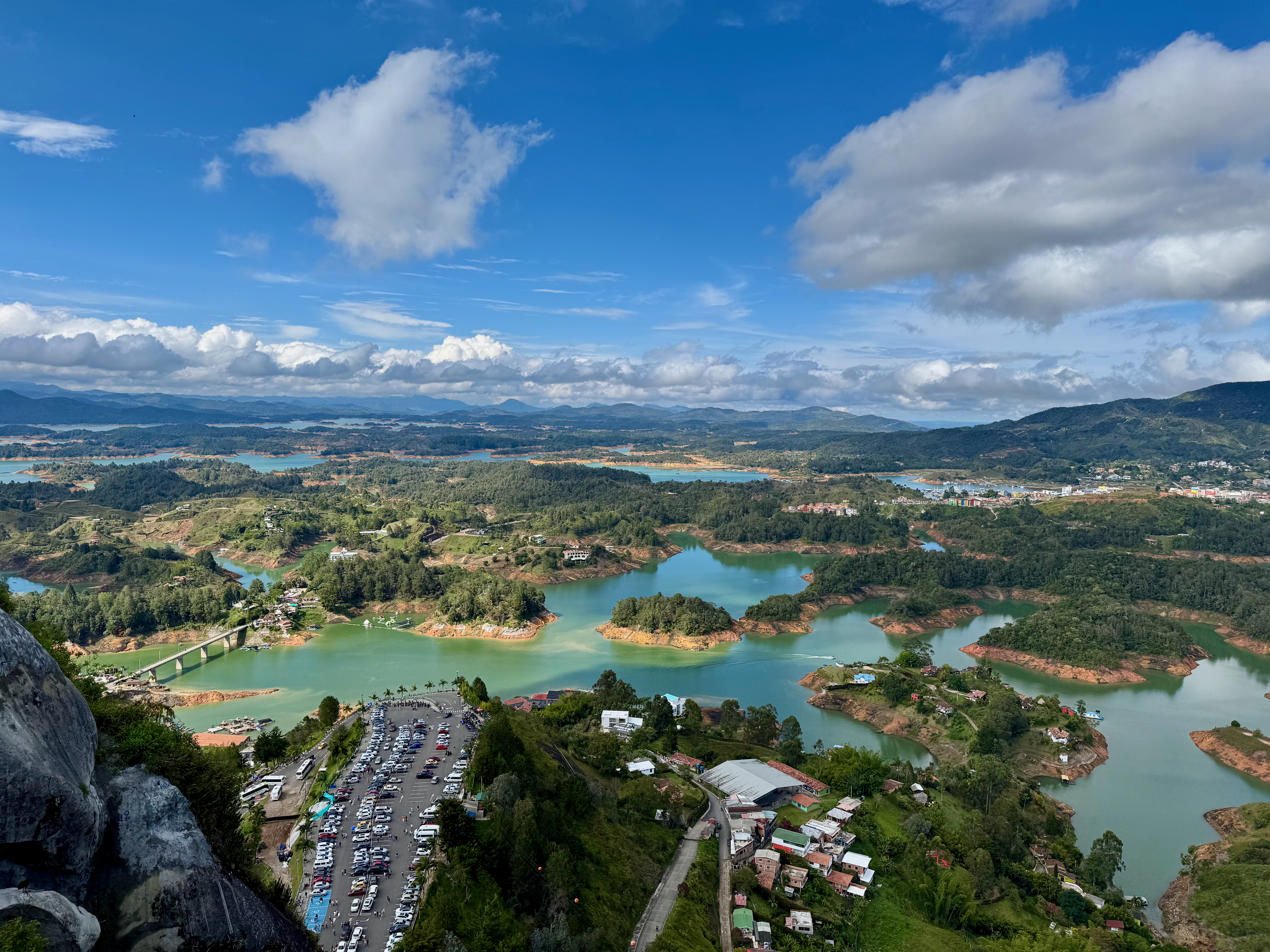
I should reference one of my favorite DJ sets, done at the top of Guatapé, with Above and Beyond.
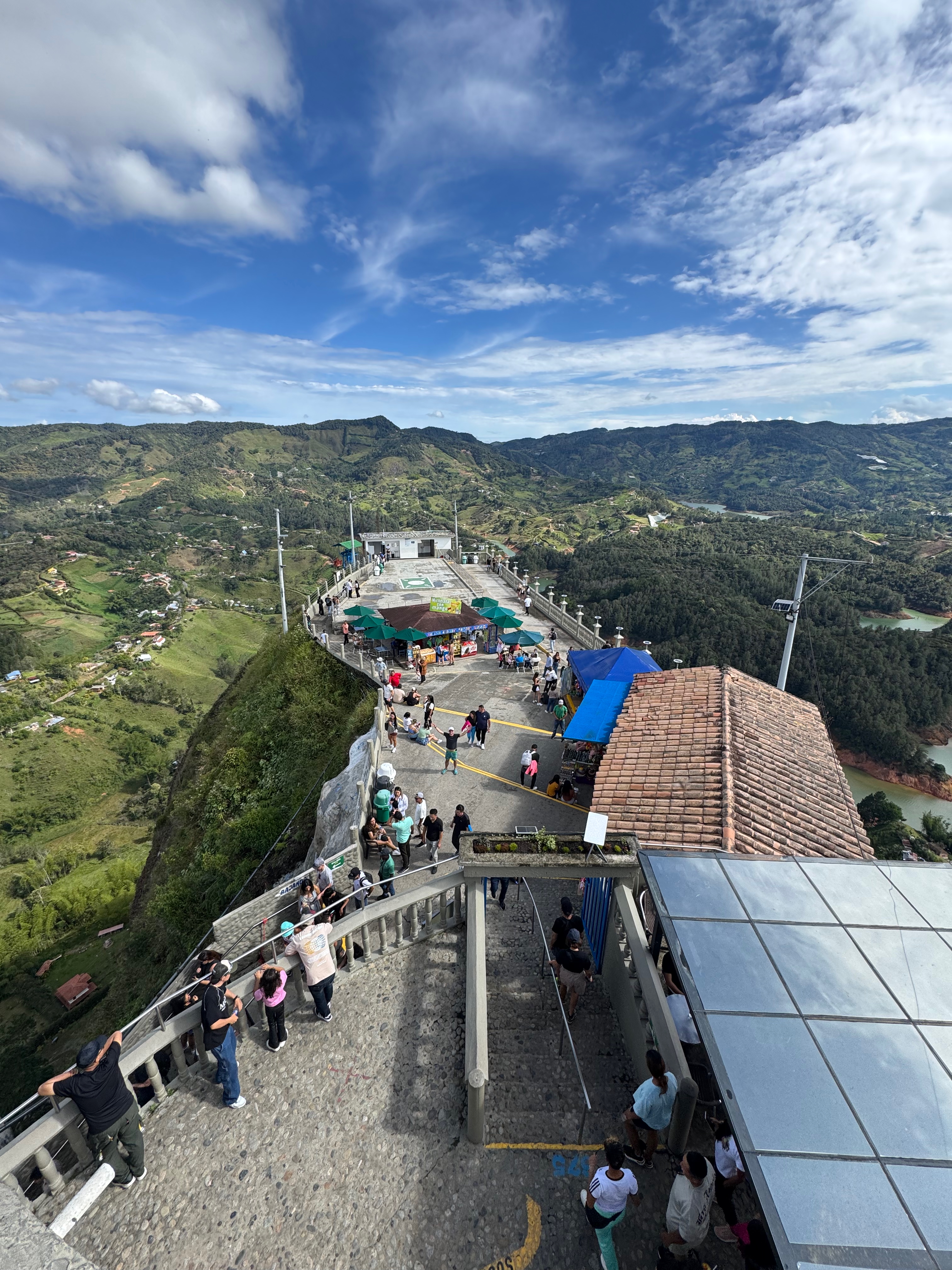
Once we walked back down the steps, we took a van ride to our tour guide’s home for what turned out to be a phenomenal meal.
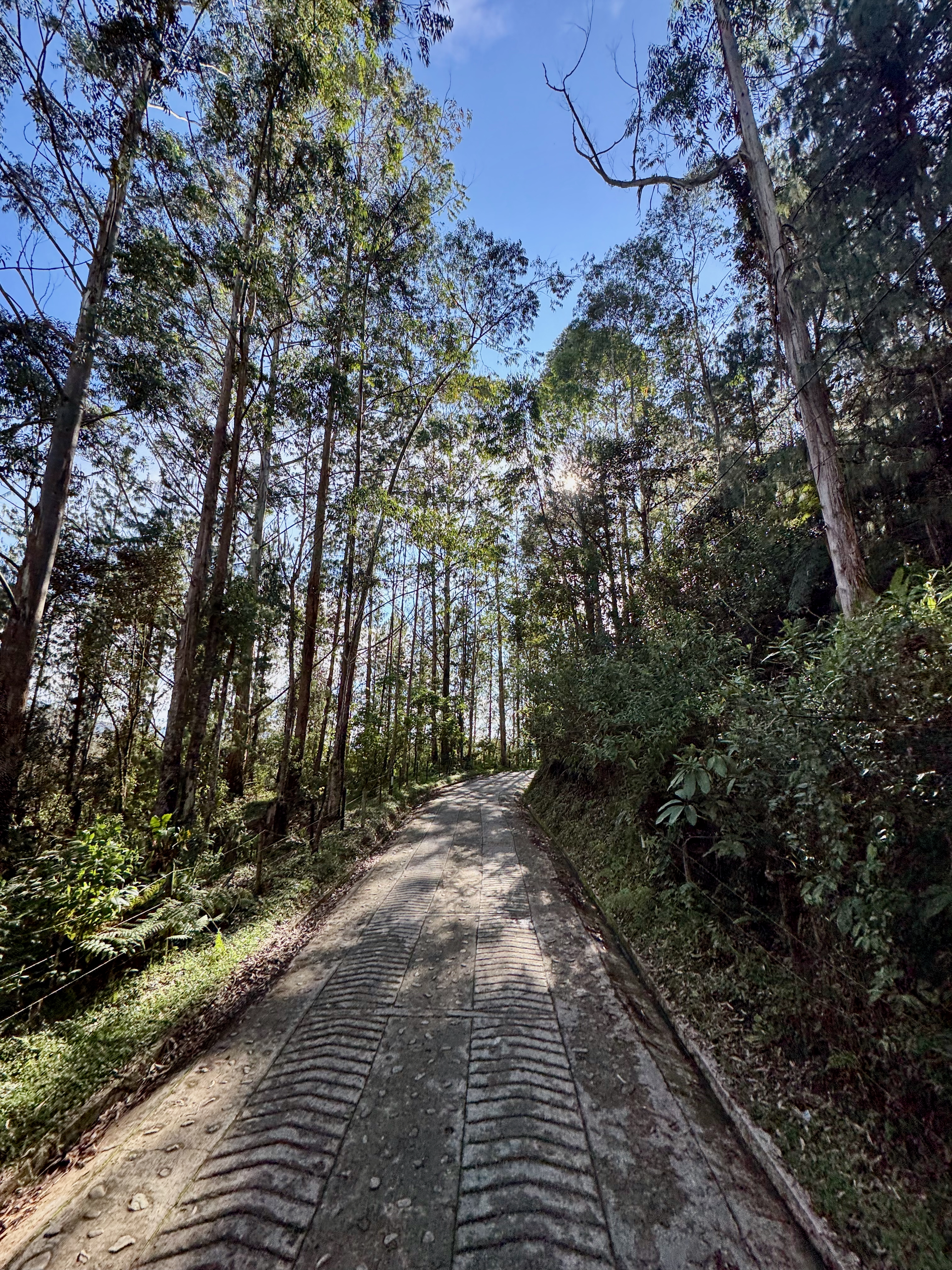
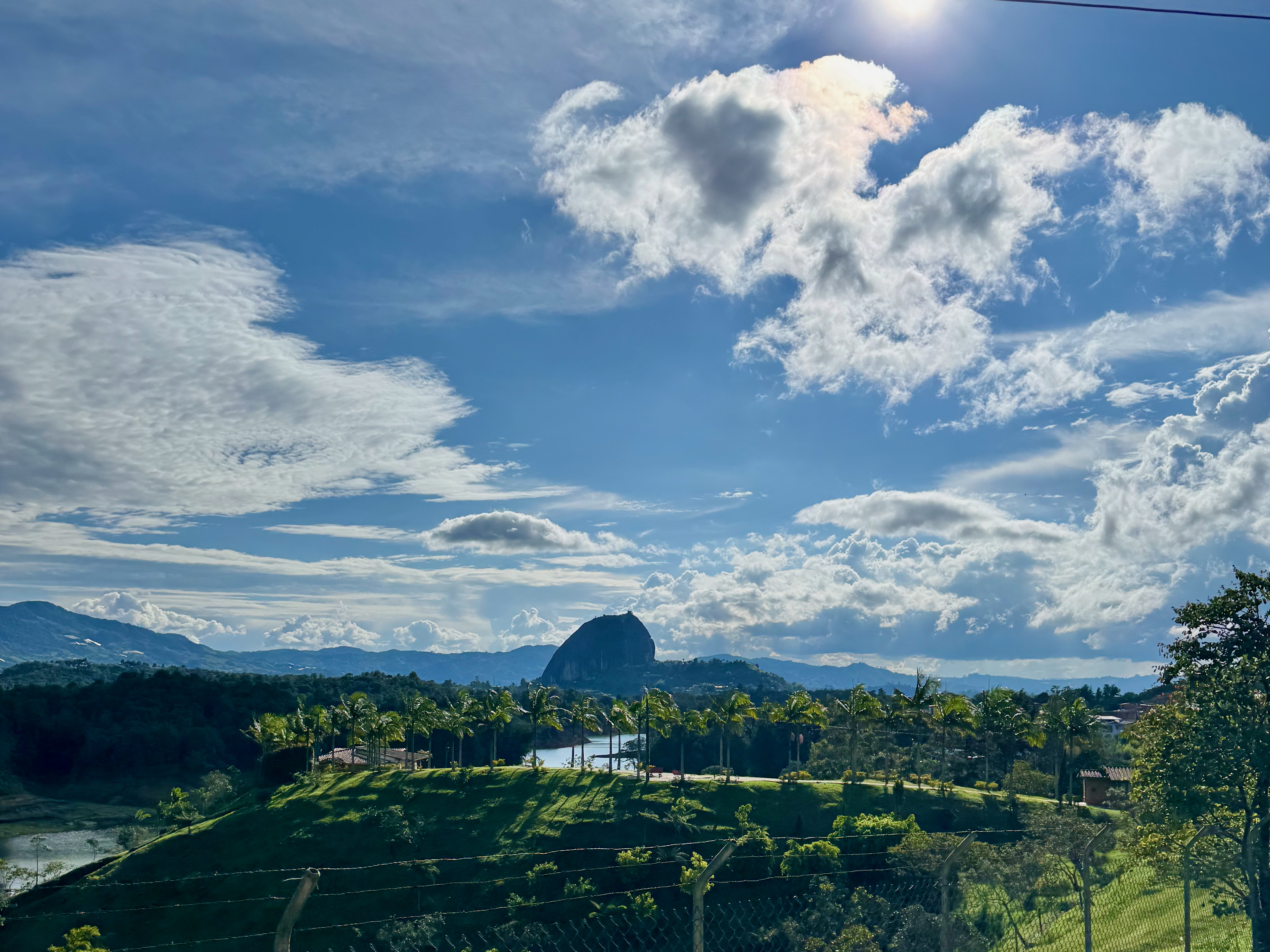
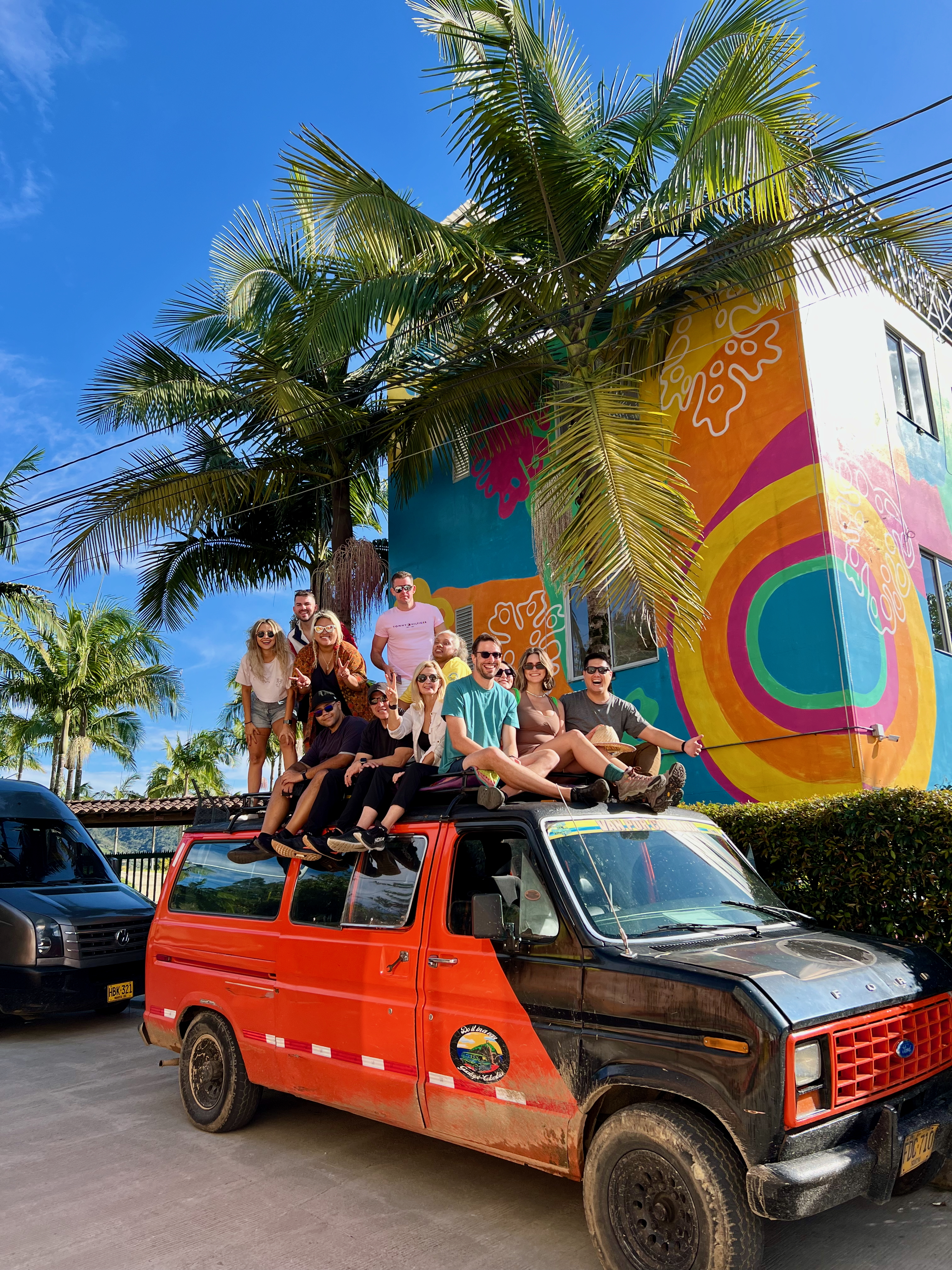
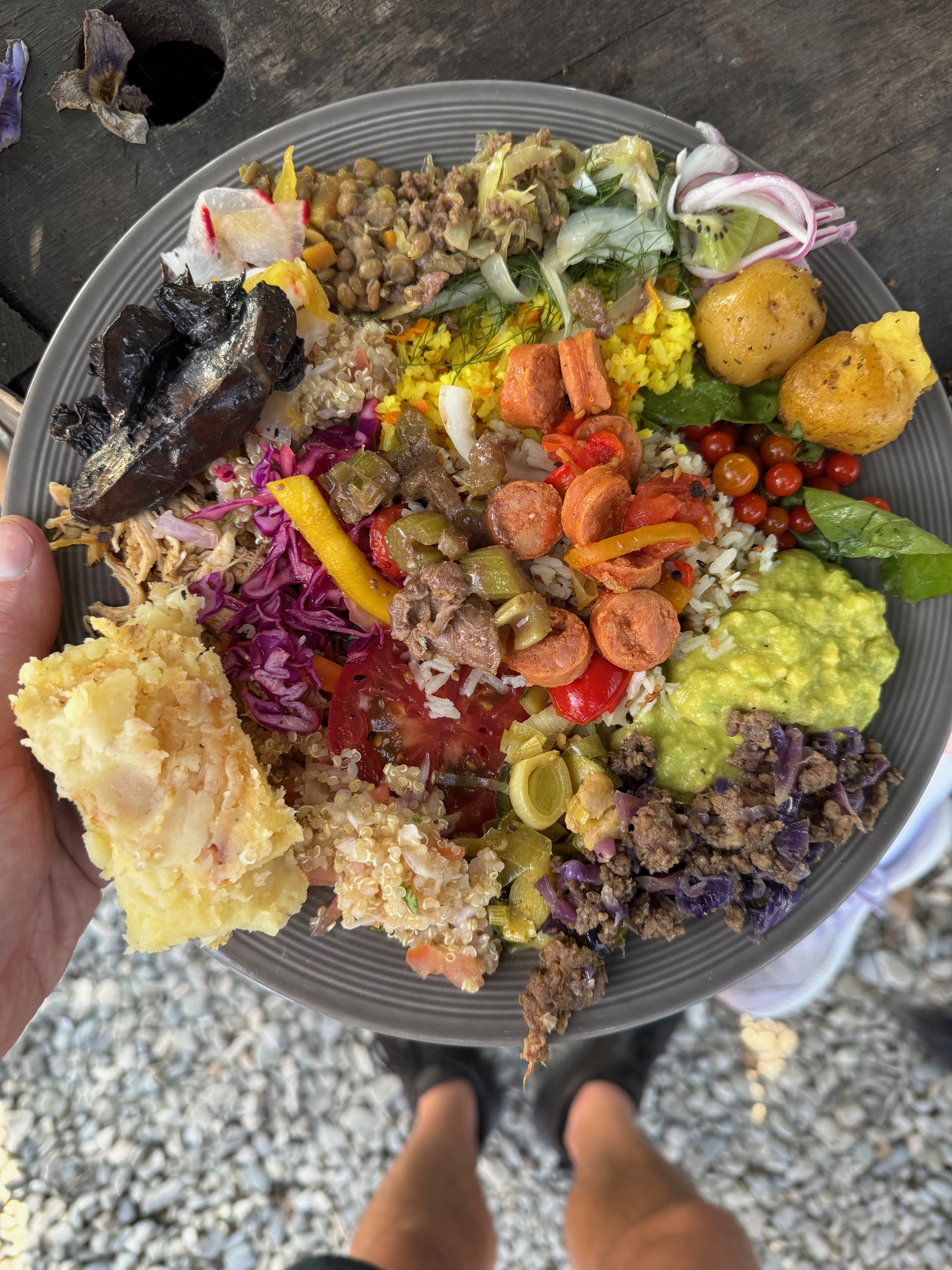
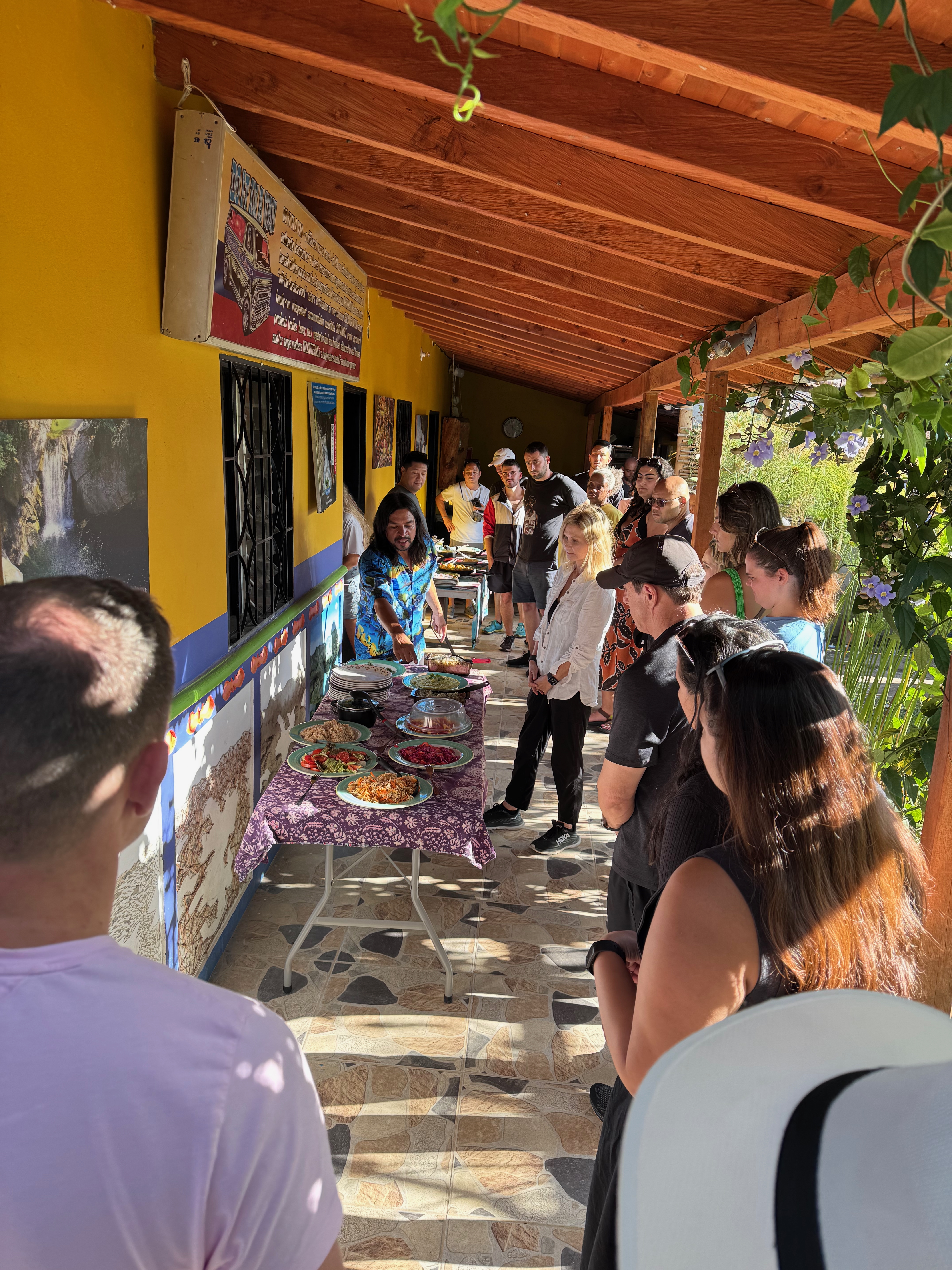
This is my most memorable meal of the month. They had made so many dishes that I took a single spoonful of each and still ended up with a gigantic plate of food.
Guatapé, the Town
After dinner, we took a short drive to the town of Guatapé to walk around. The town has a unique style of mural art called “zocalo” which are bas-relief panels that are commonly found on the lower parts of buildings and murals throughout the town.
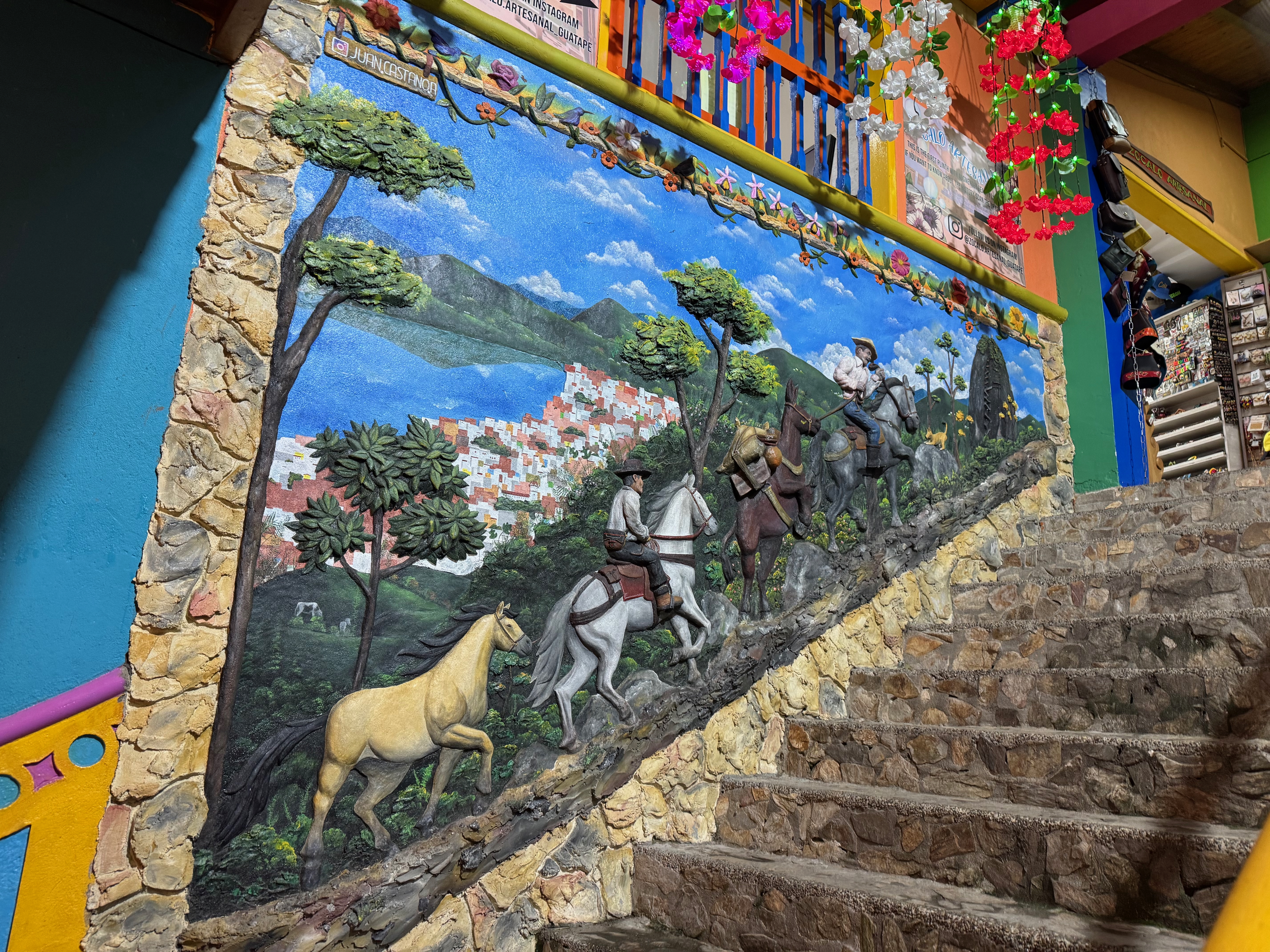
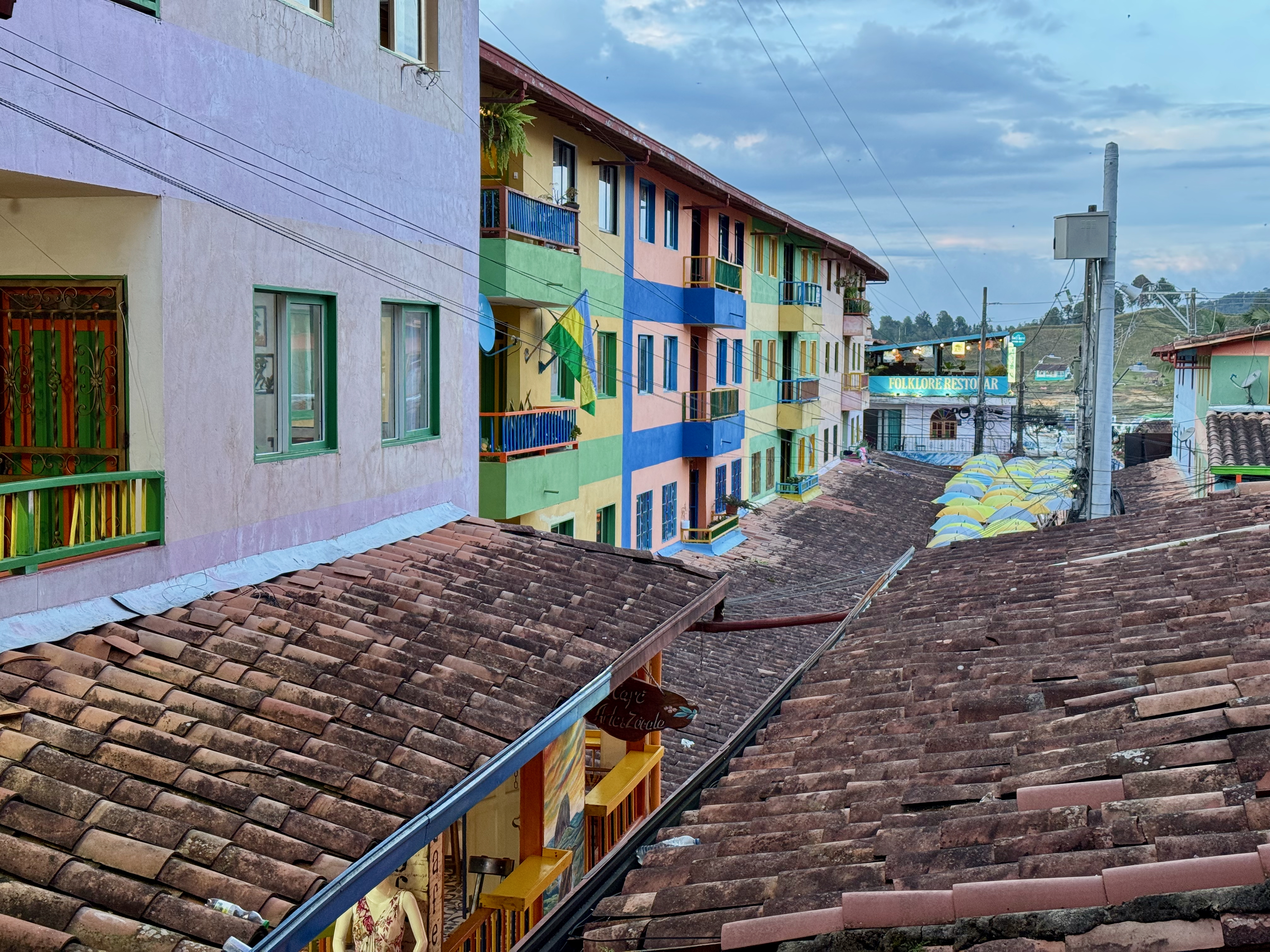
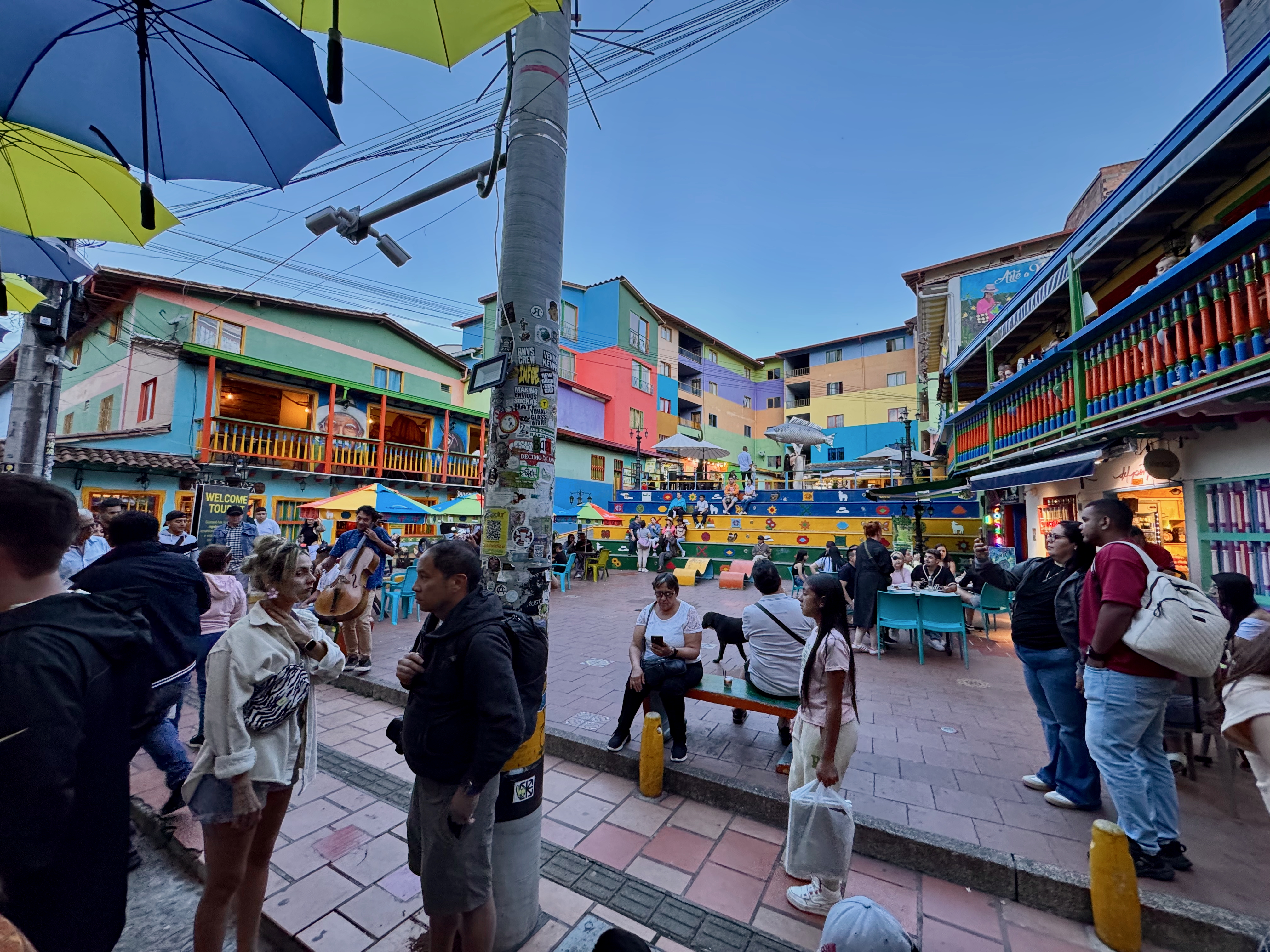
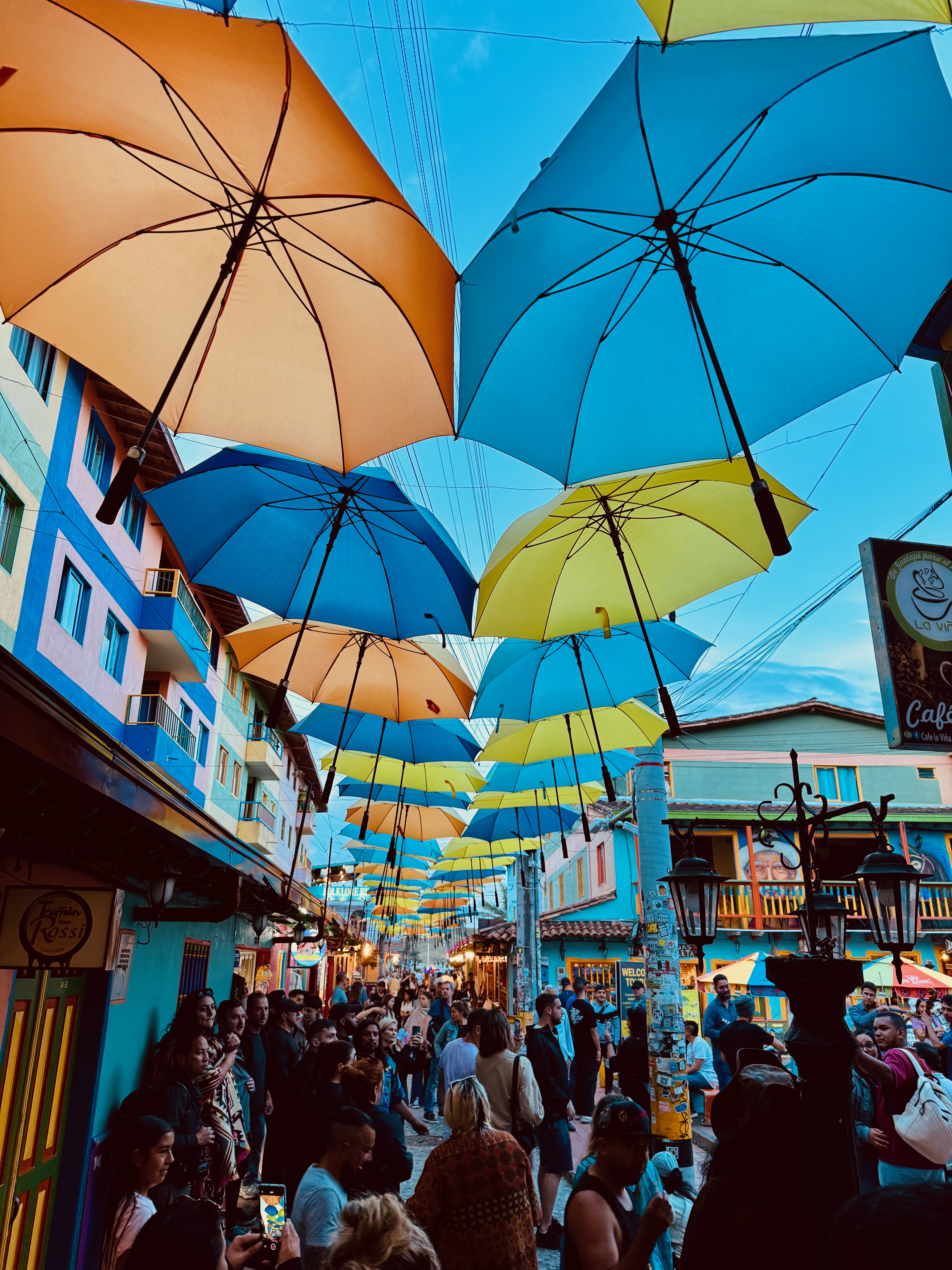
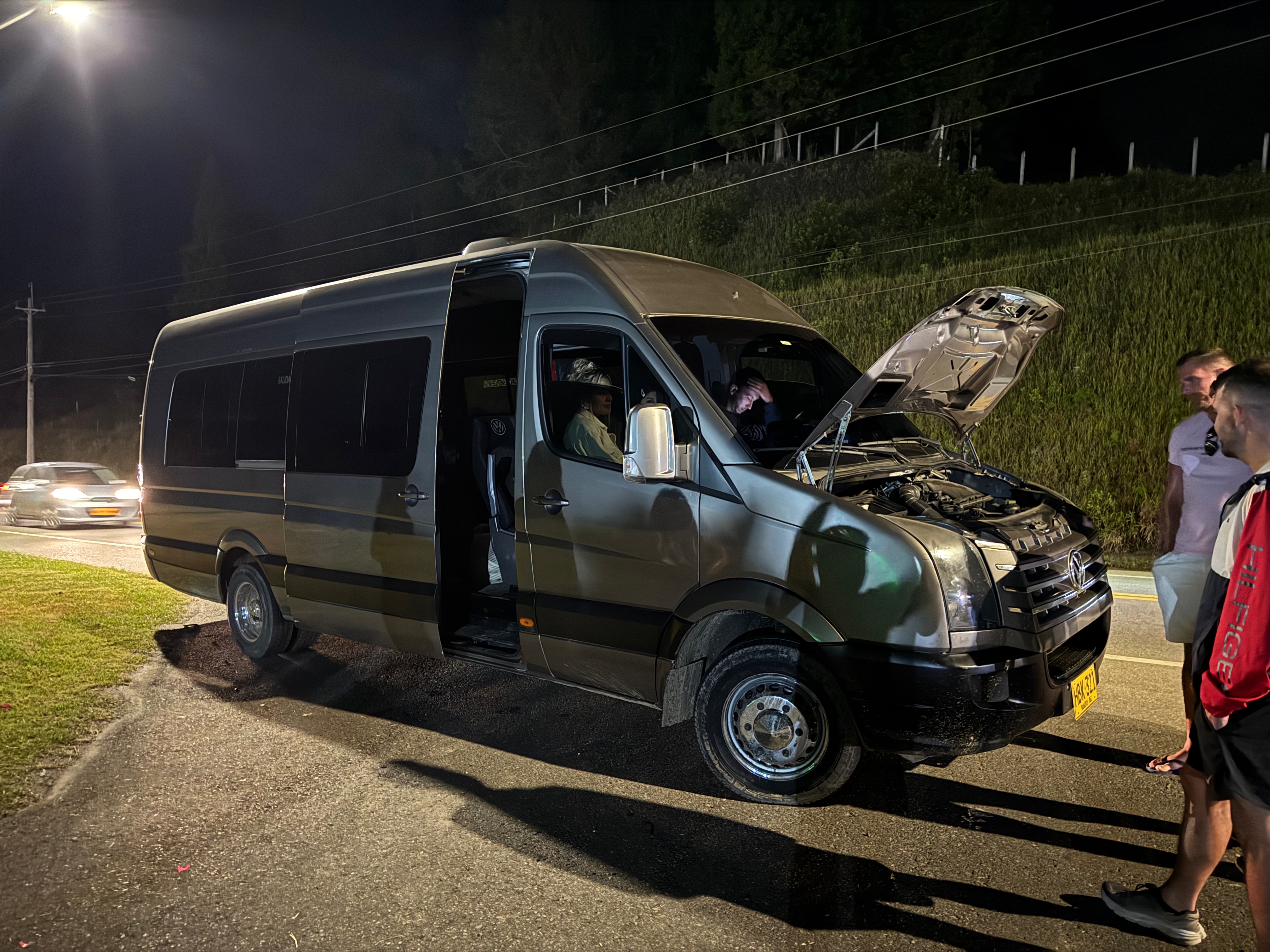
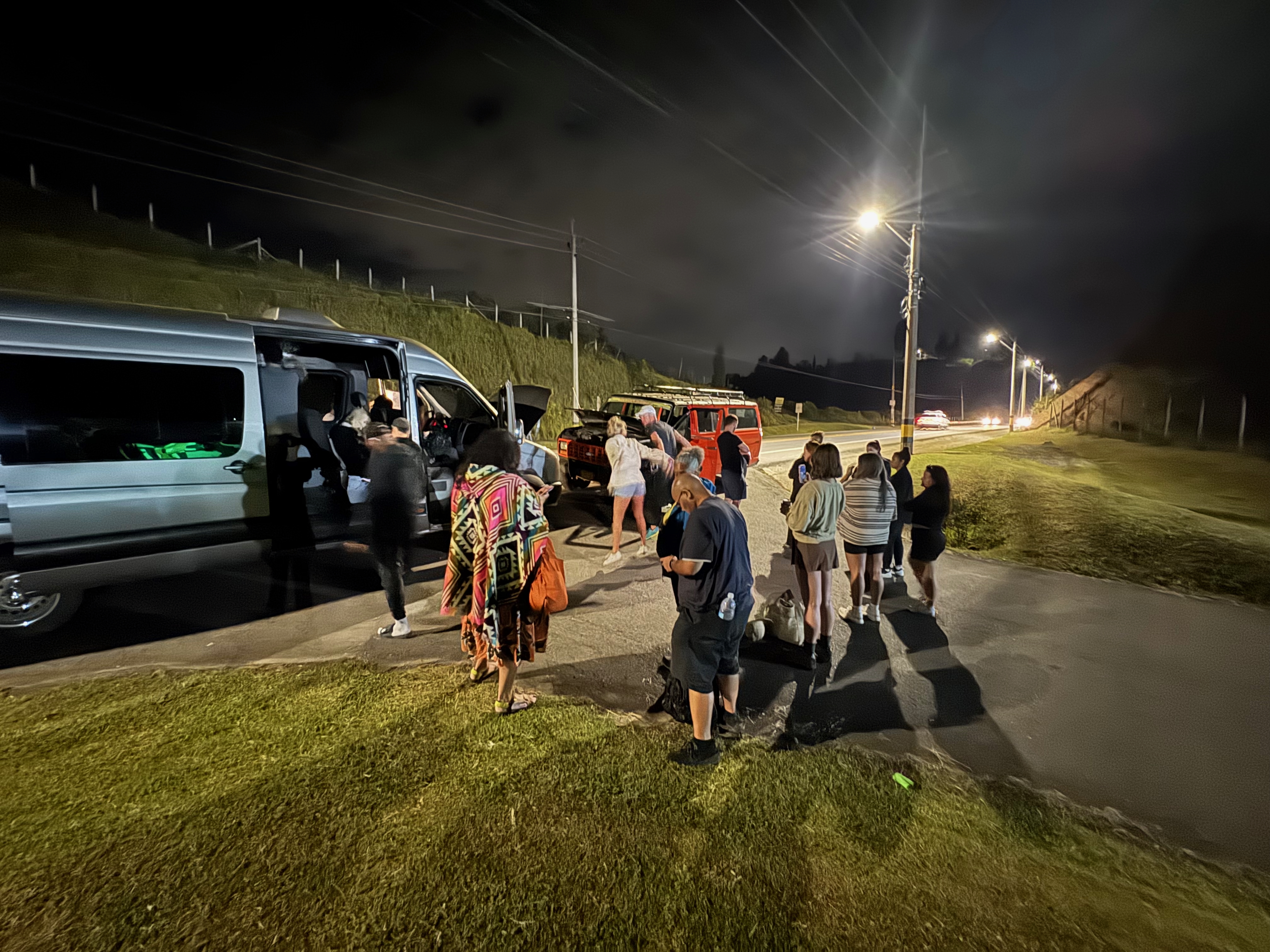
Whoops, our van broke down on the way back but we made it back just fine to Medellín with an Uber. There was so much going on I forgot it had even happened by the next day.
The date now is October 6. I arrived in Medellín on October 1. Yes, everything you have read to this point is only five days into the month.
Embracing JOMO
In our group, there are smaller groups always doing so much that it is inevitable to skip out on a few events. I embraced the joy of missing out at this point and spent a week back in the city, working on this very app, actually.
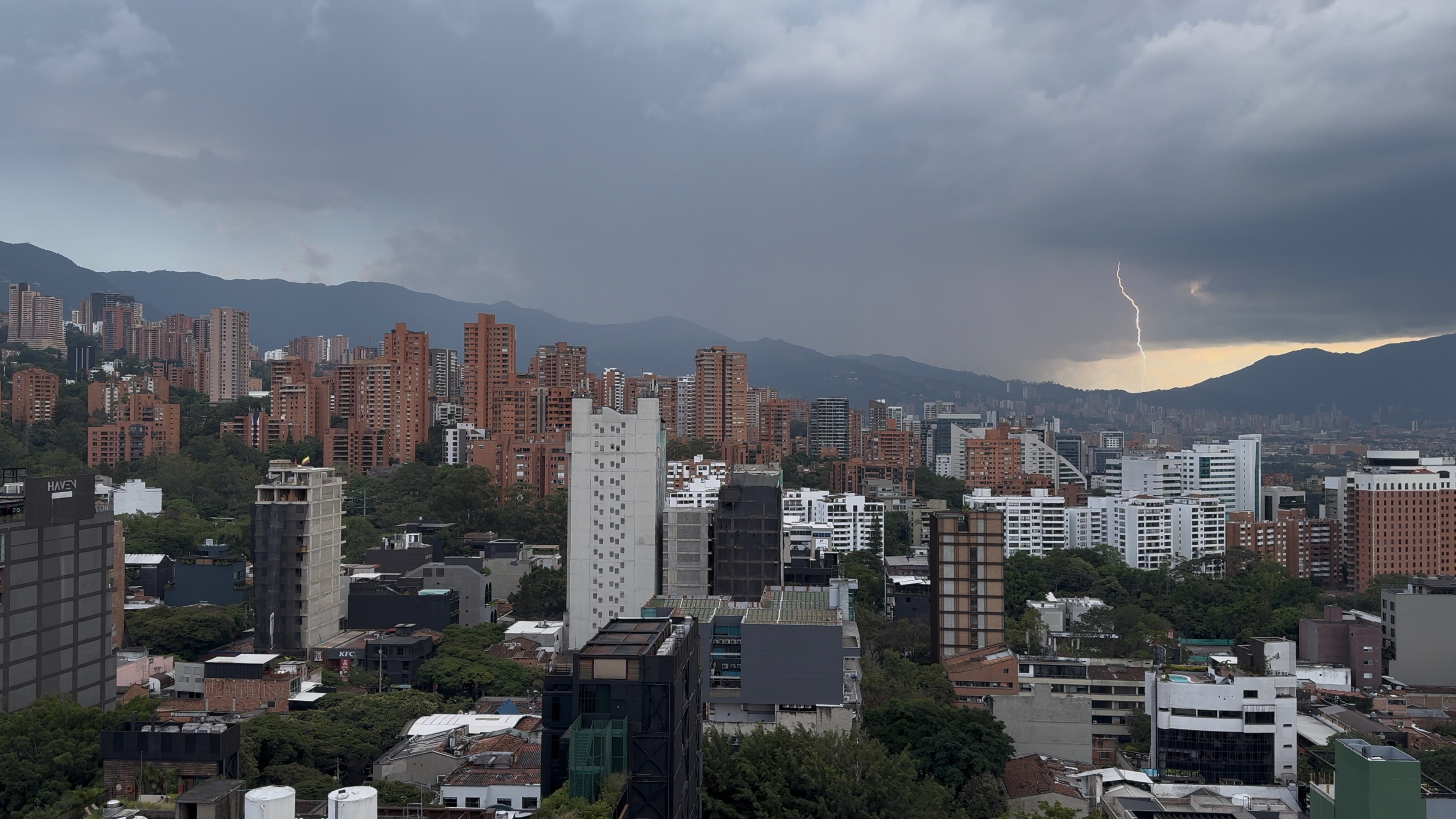
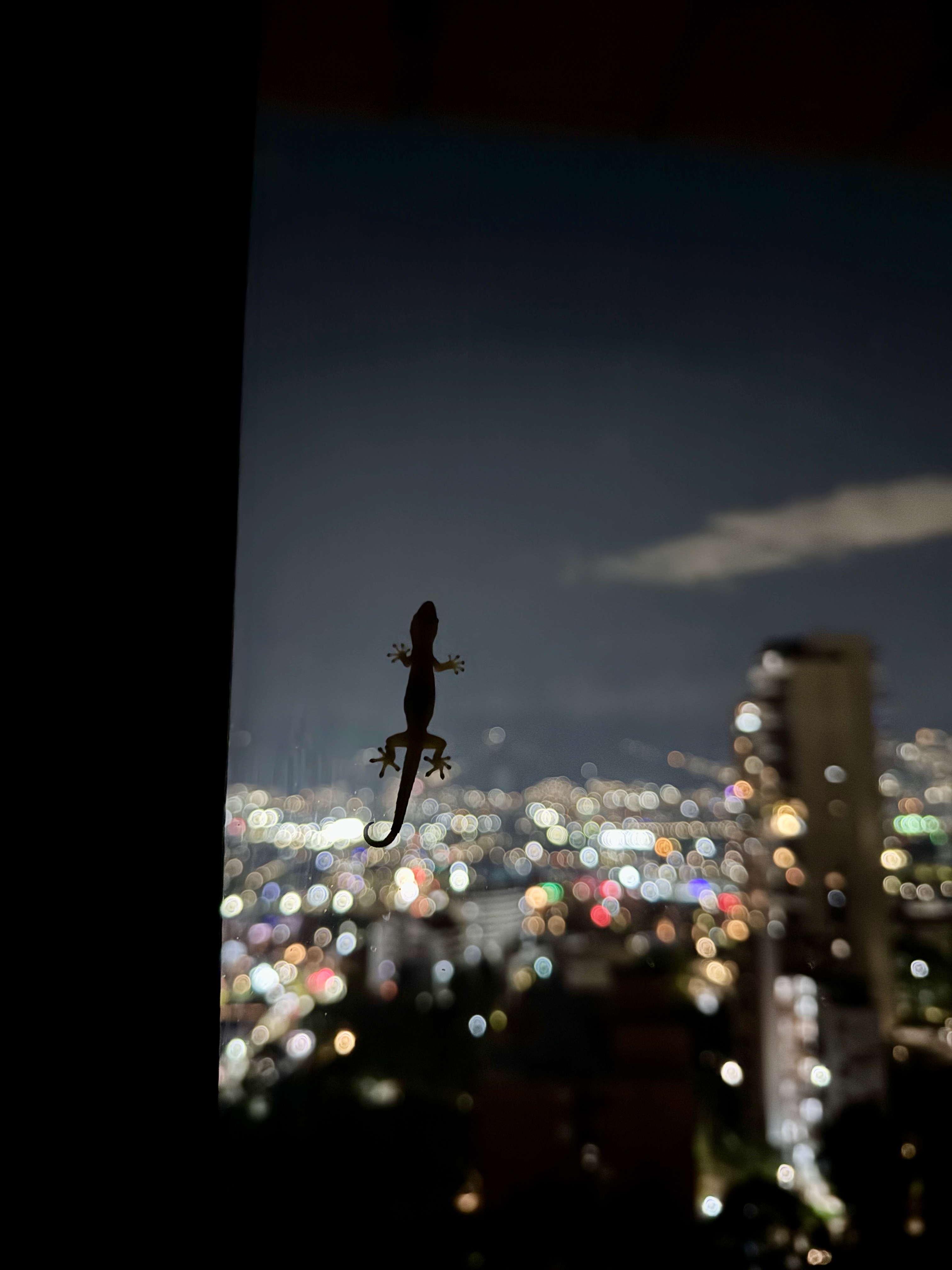
Some of the rest of the group flew to Santa Marta, on the Caribbean coast, as well as Cartagenia. They report back that the beach life for a few days was fantastic. Instead, I took a few more photos of the scenery out my windows.
Hiking Envigado
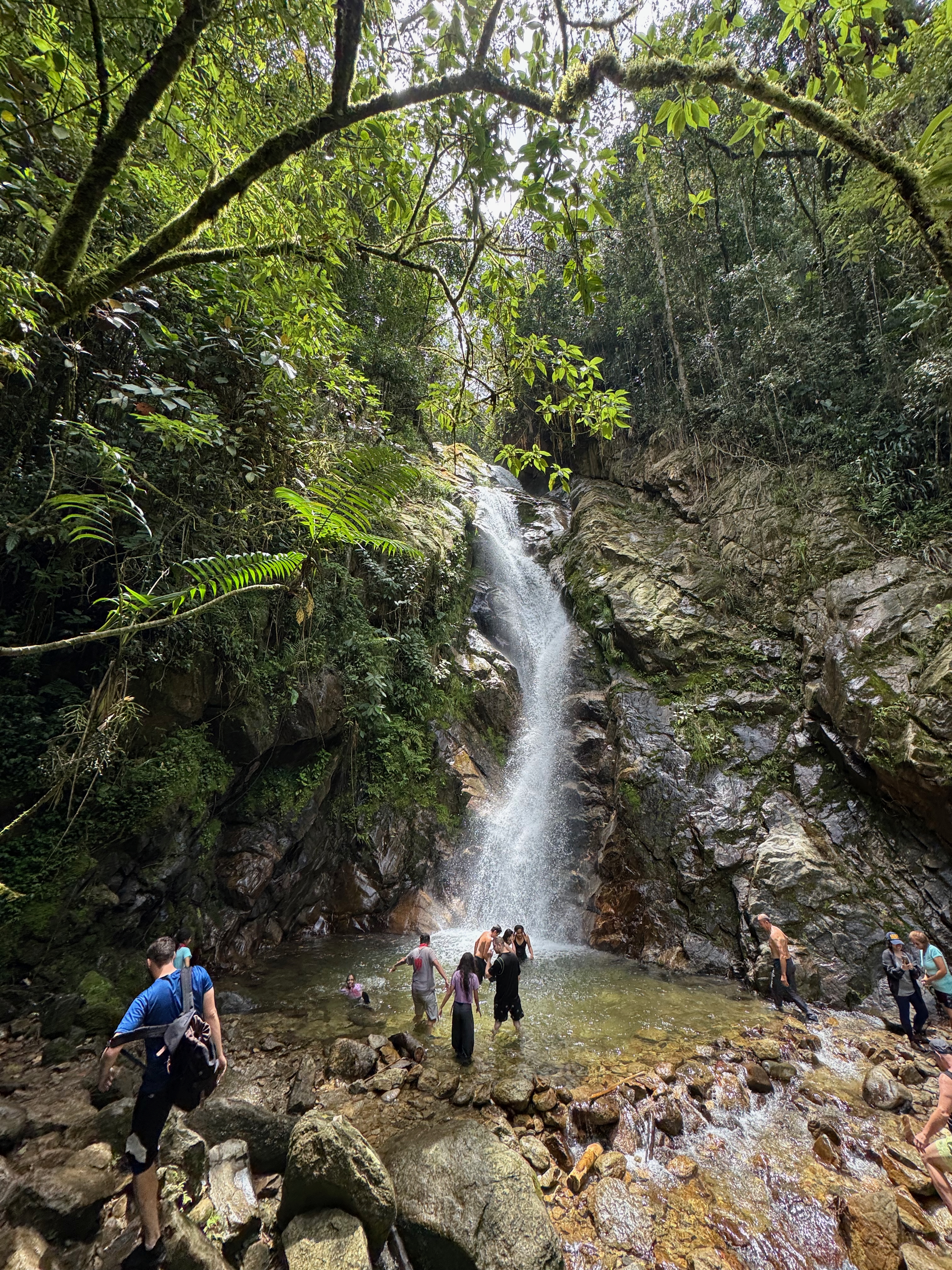
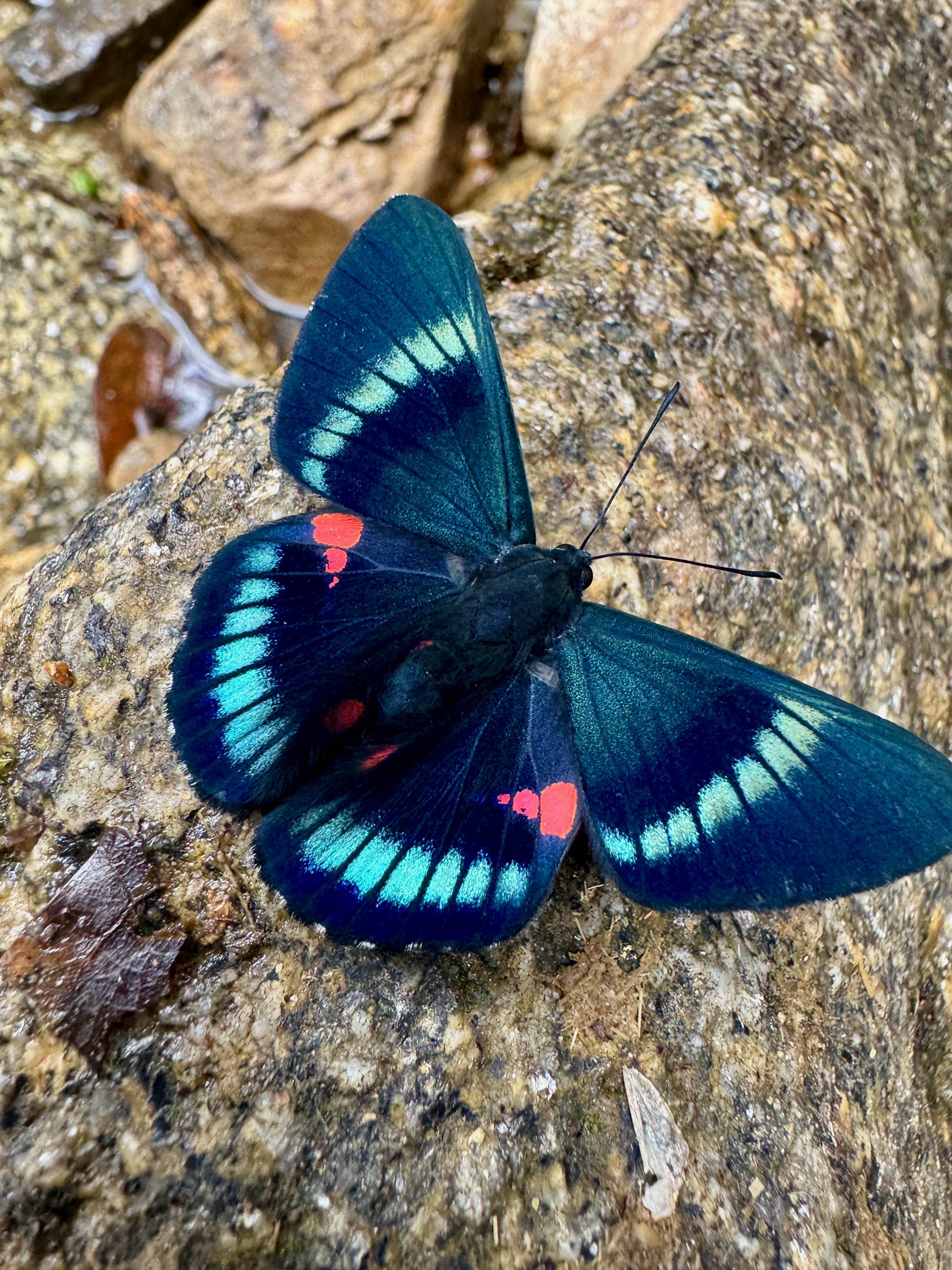
The next weekend I did some hiking with the group.
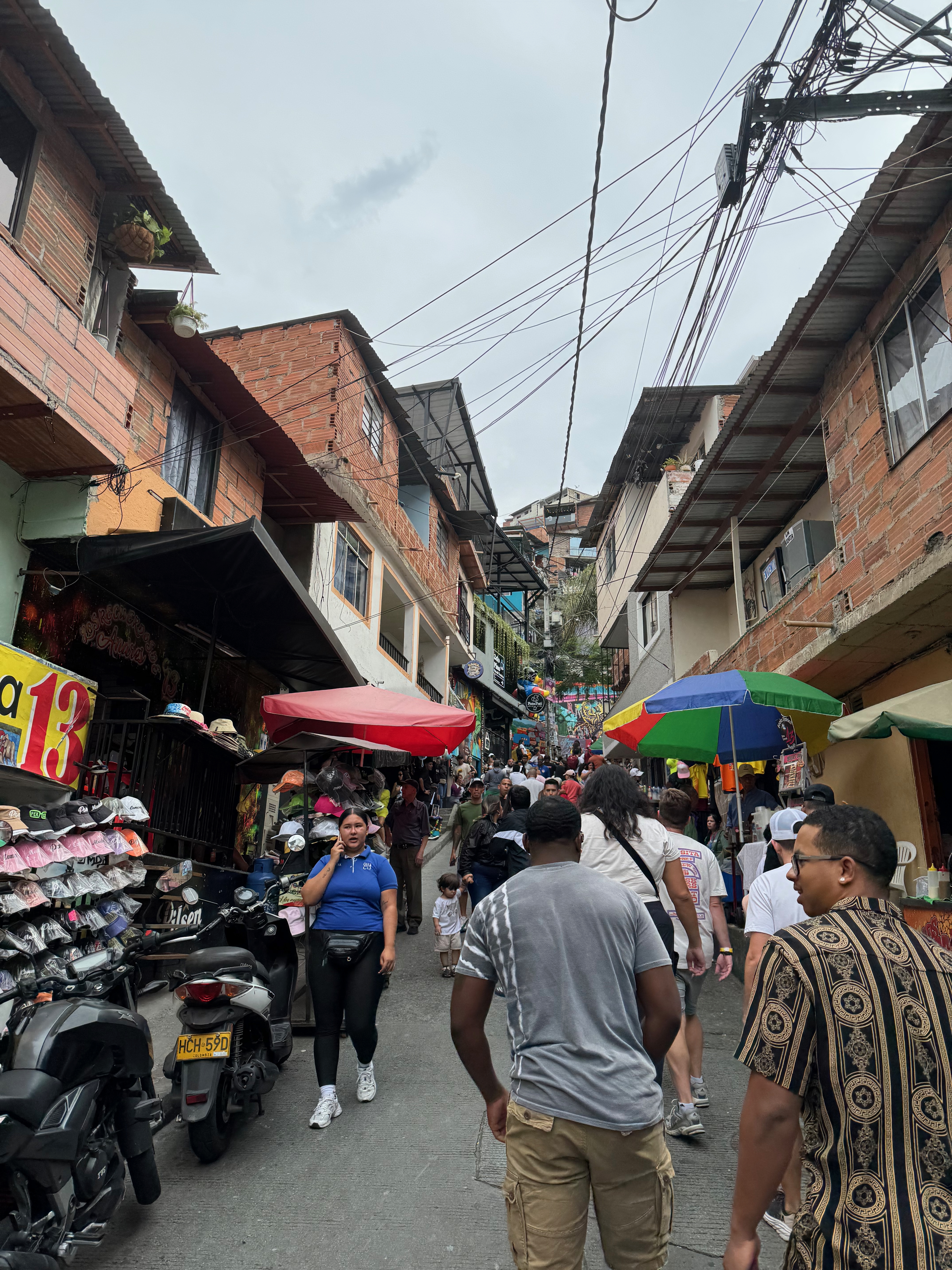
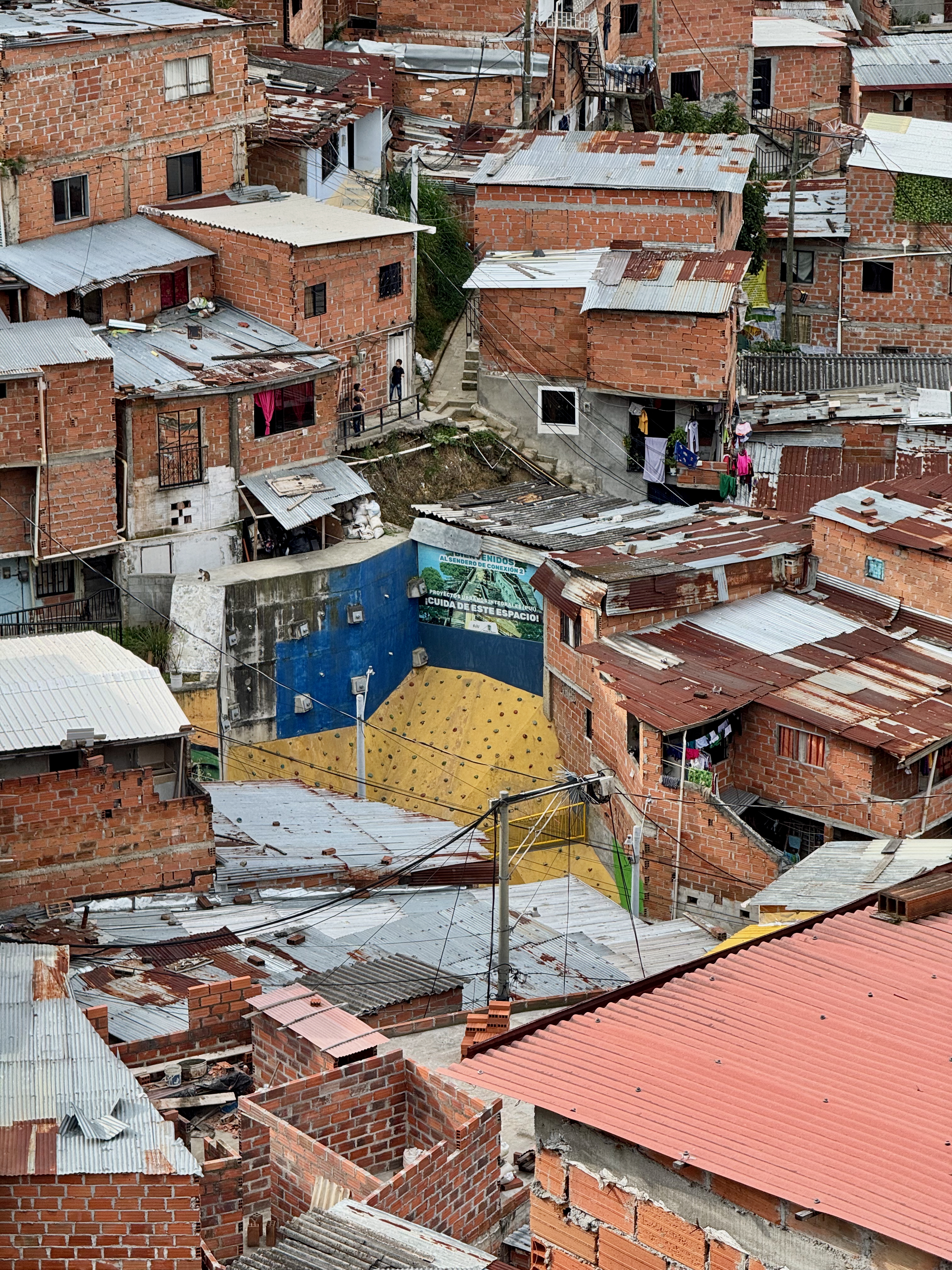
Comuna 13
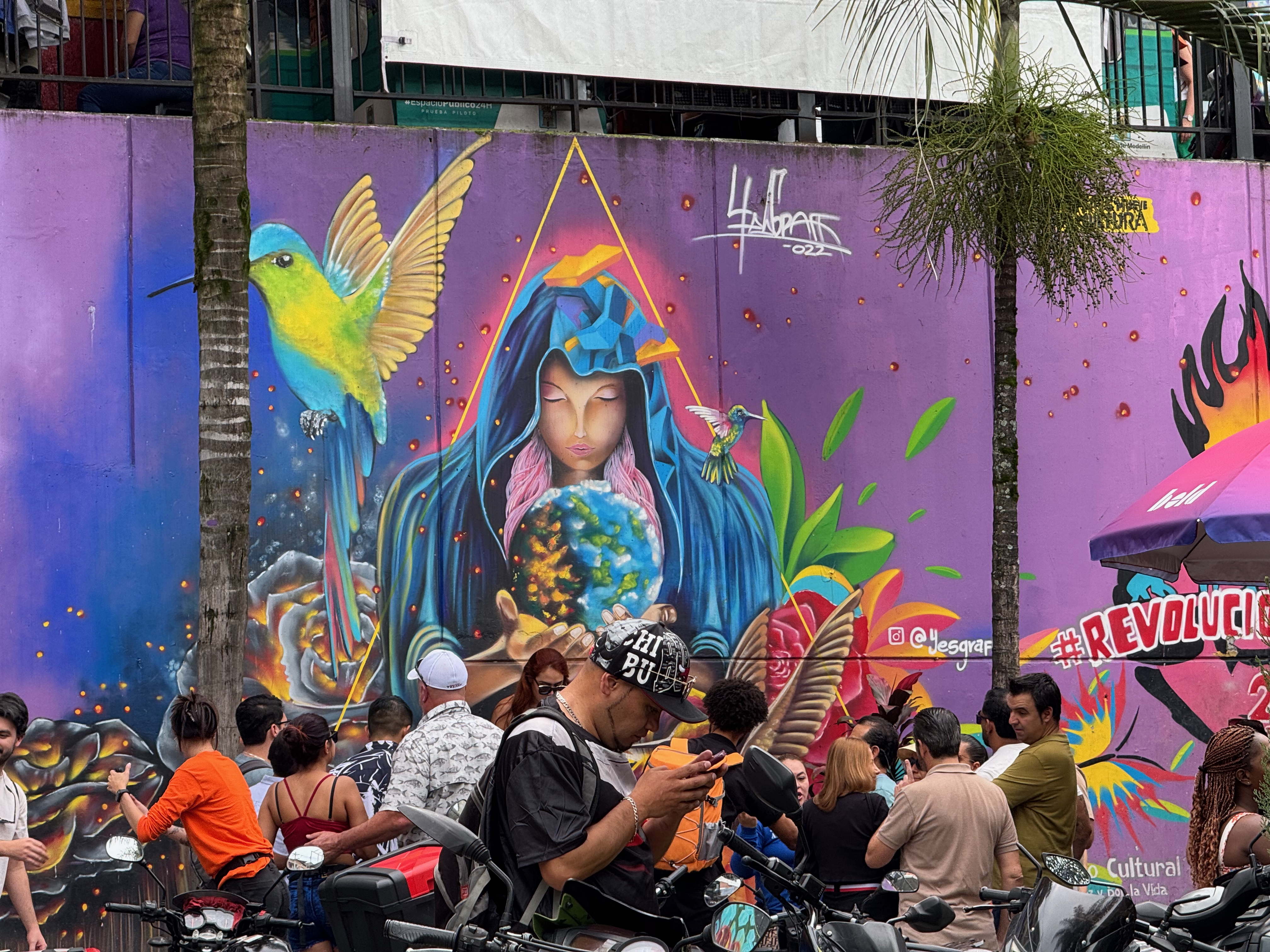
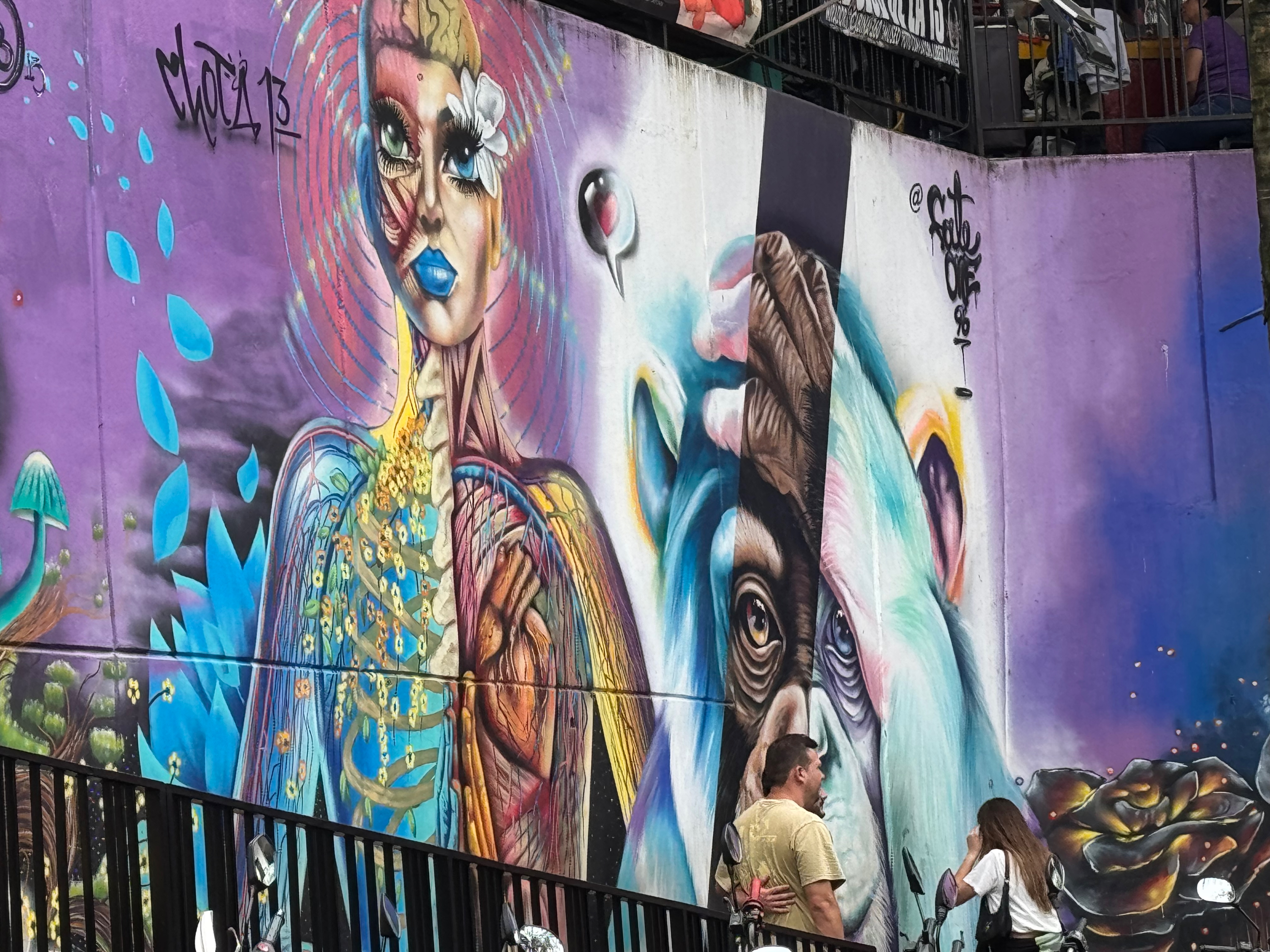
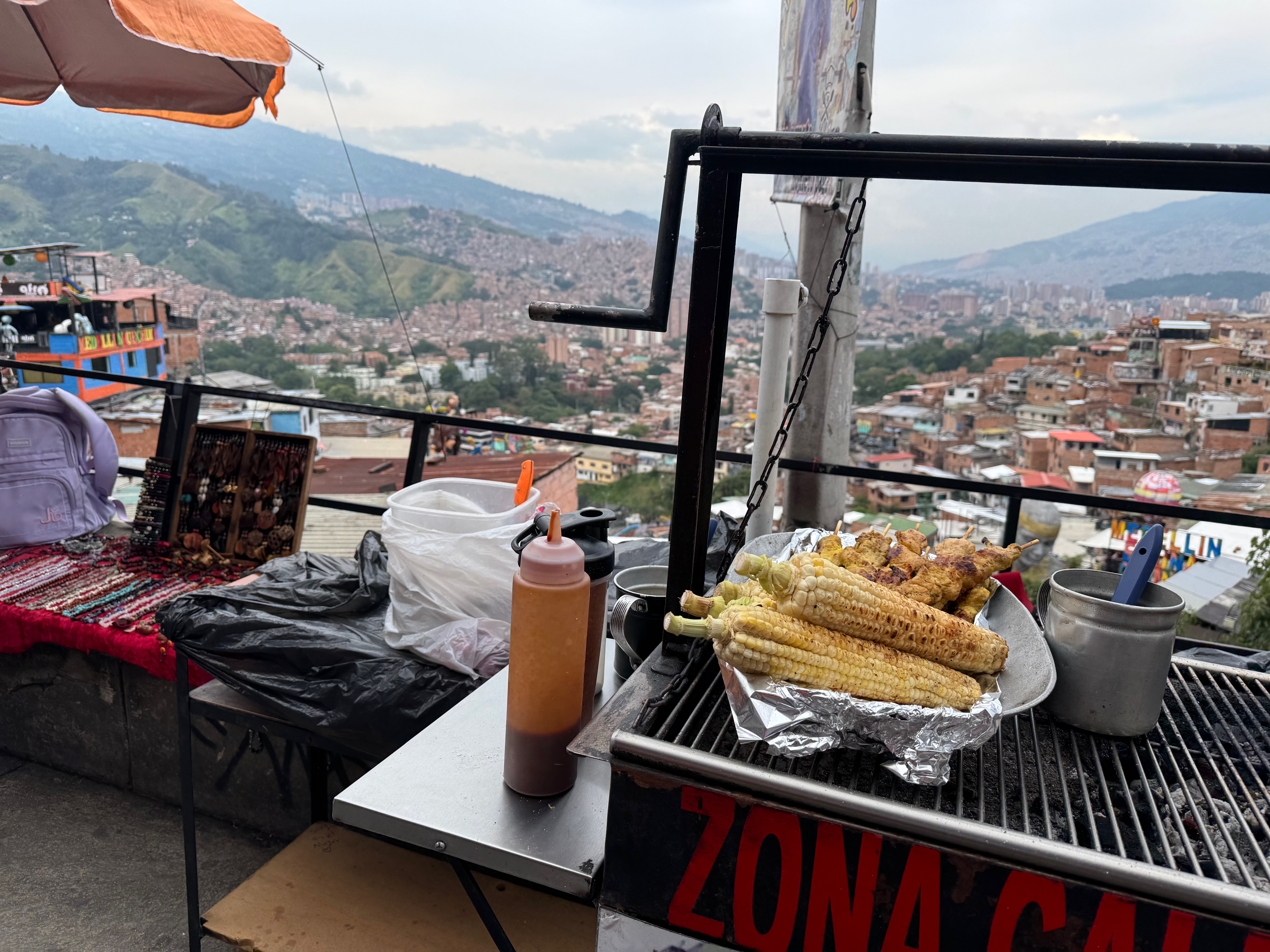
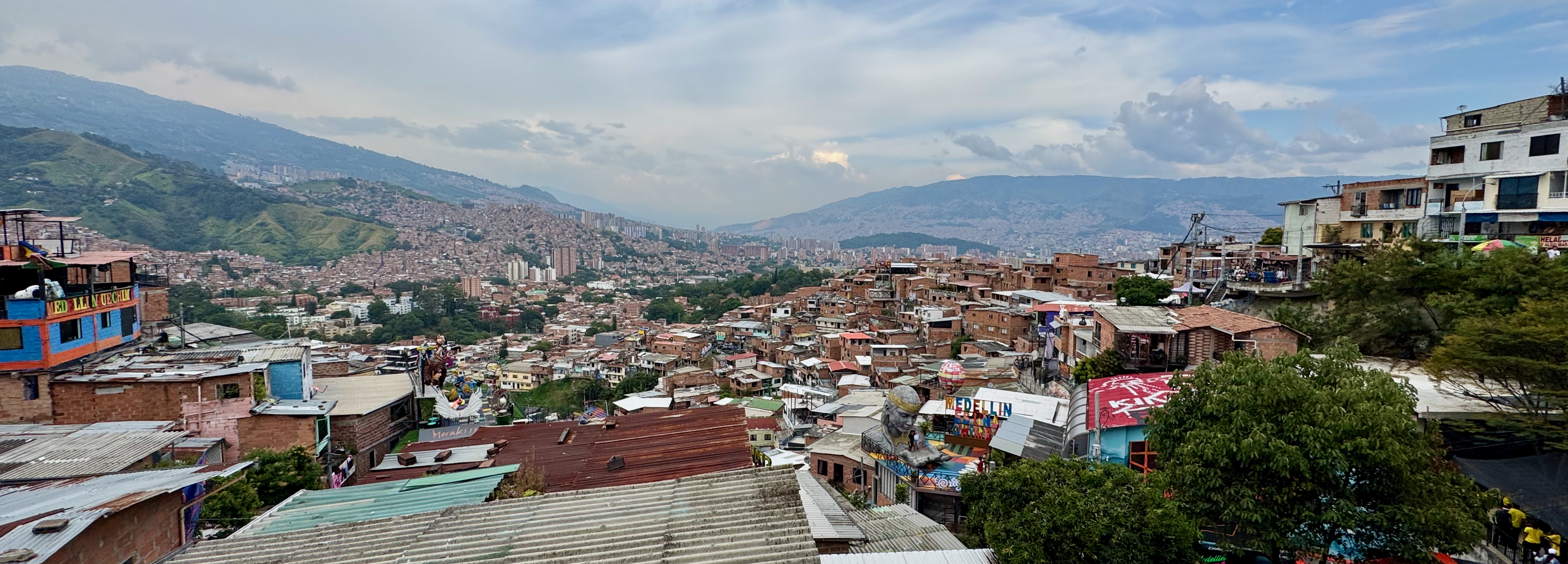
Comuna 13 in Medellín, Colombia, has transformed from a violent past into a vibrant hub of street art, music, and culture. Once marked by drug and guerrilla violence, it now symbolizes resilience, with improved infrastructure like outdoor escalators and cable cars.
Parque Arví
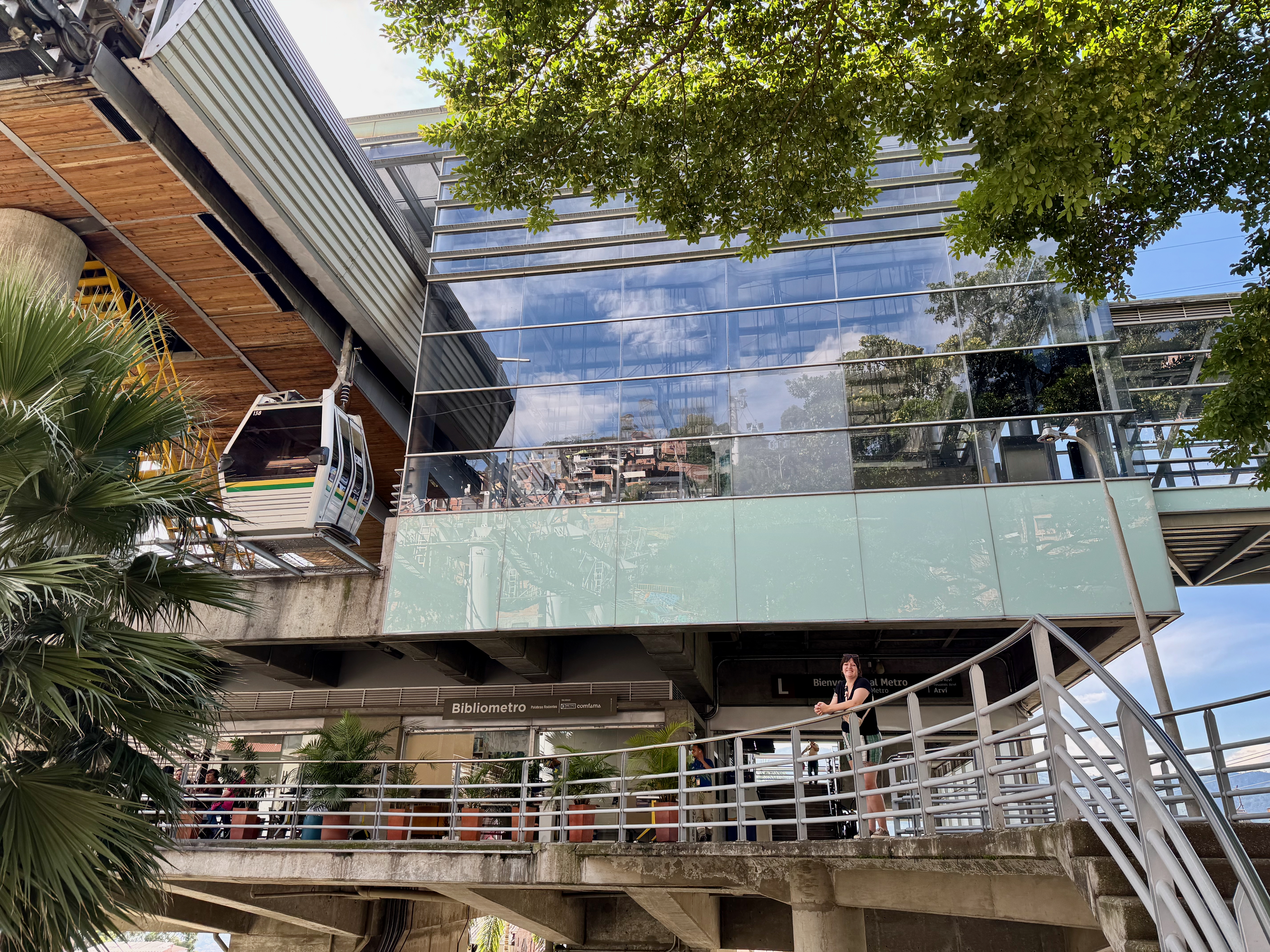
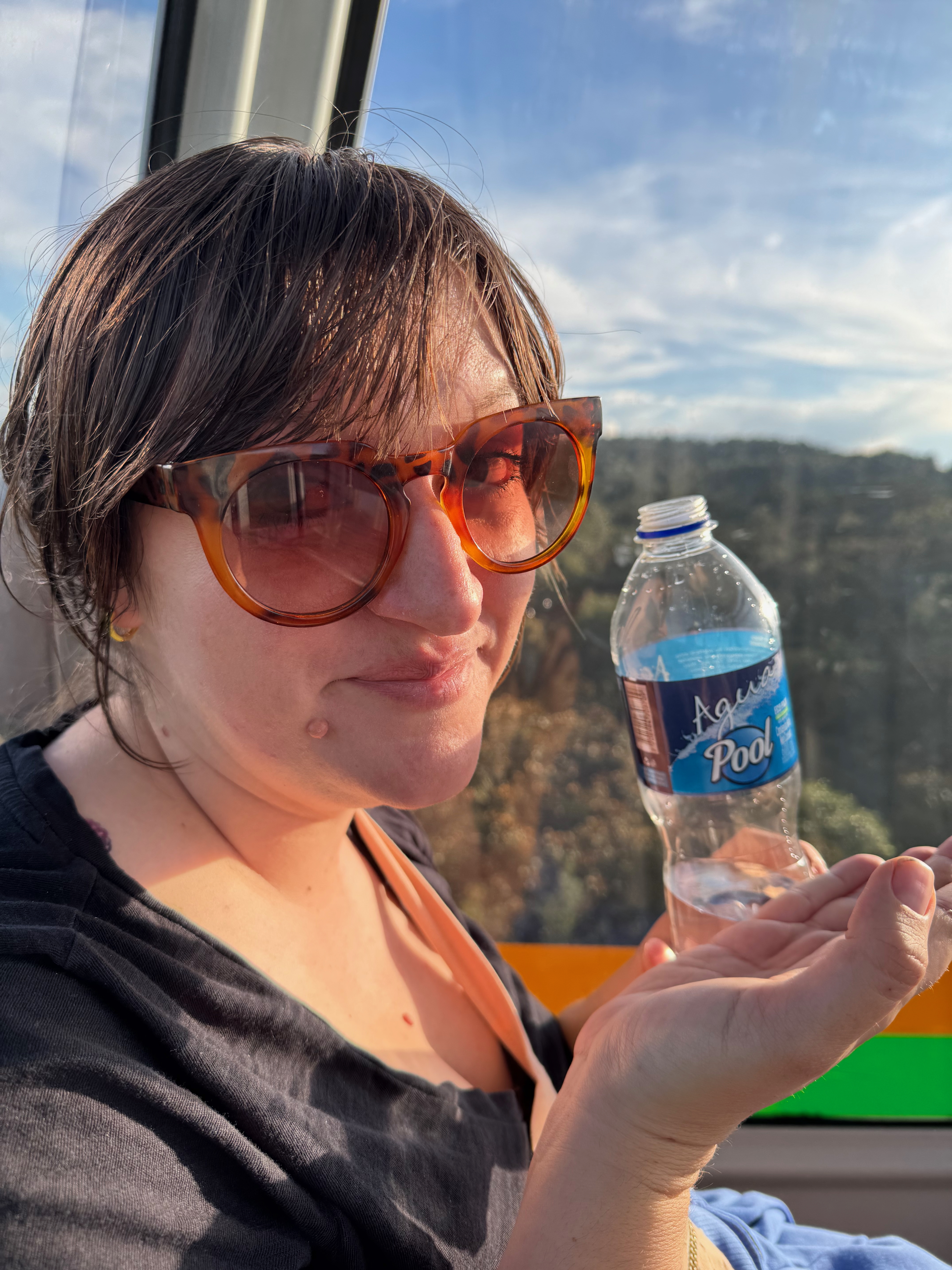
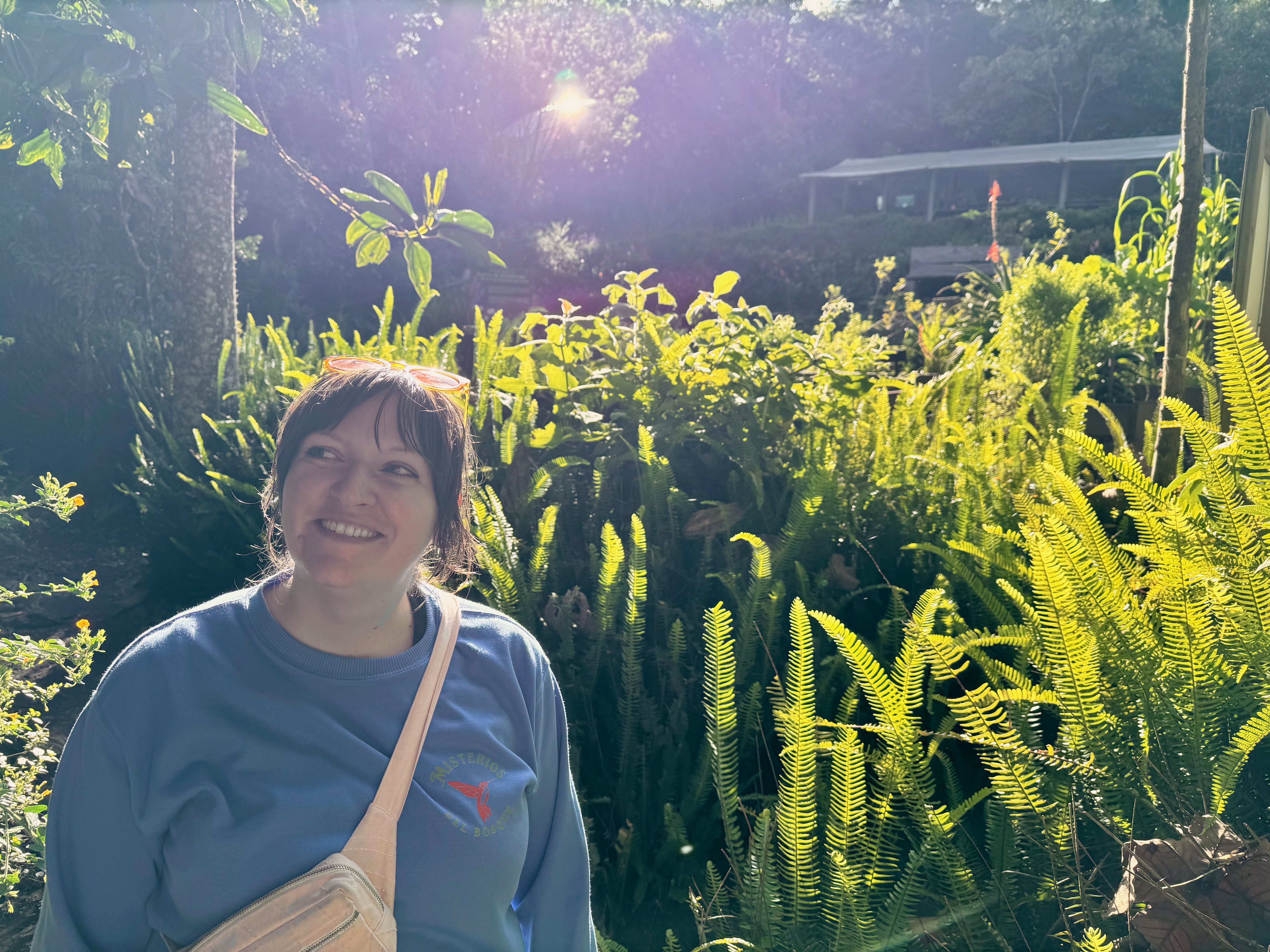
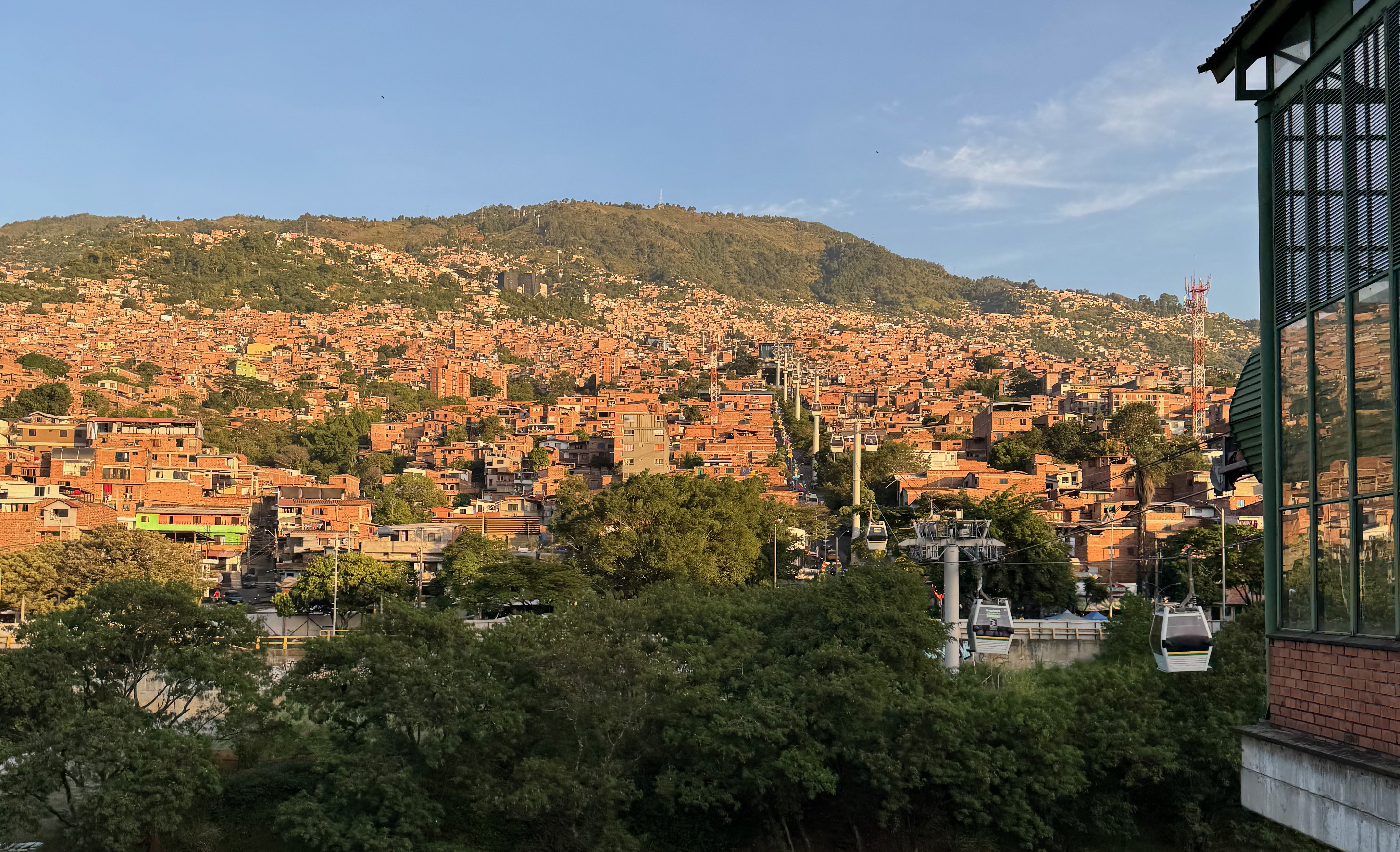
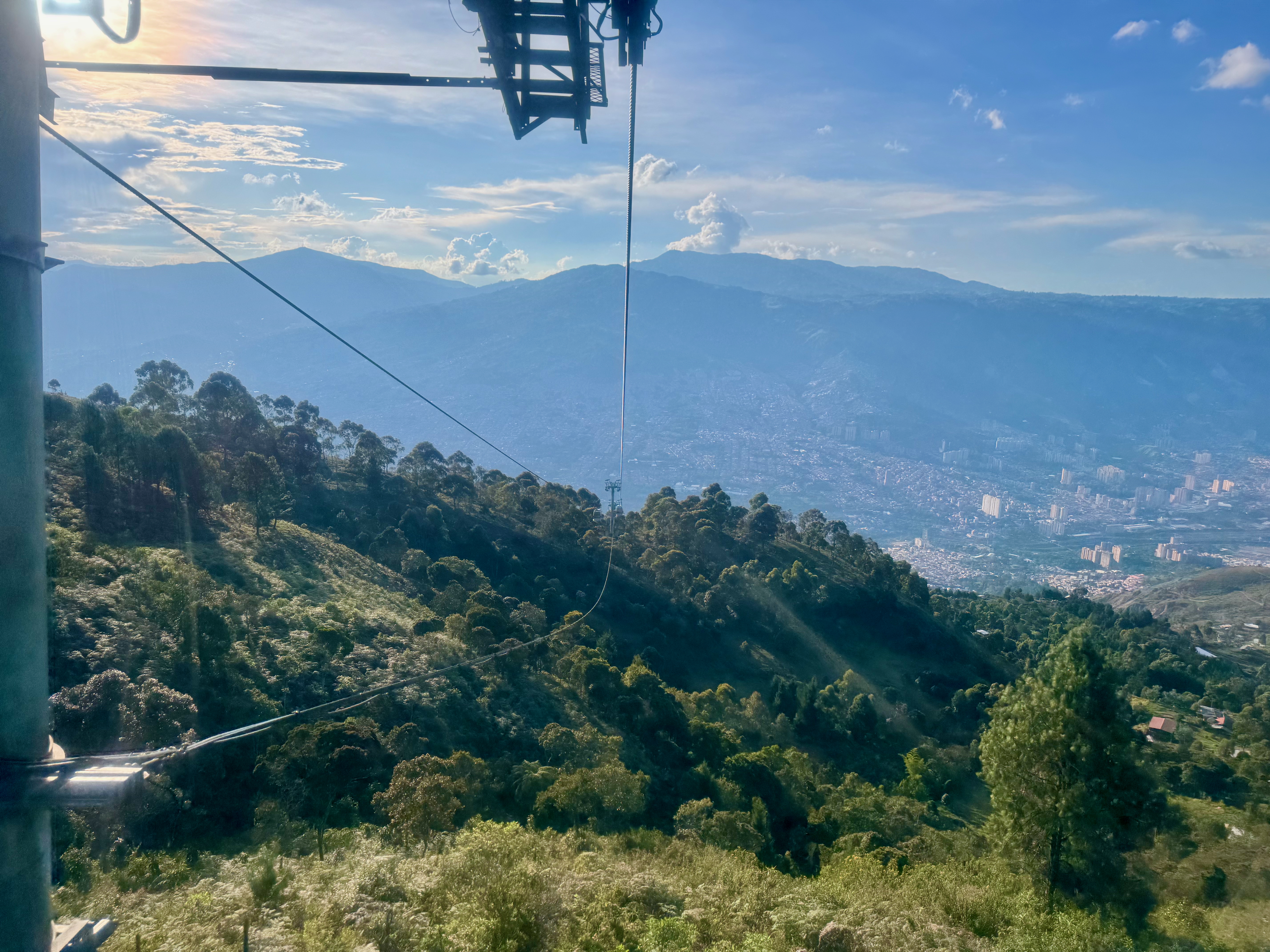
Towards the end of the month, my Wife visited! We did quite a few things but of particular note was our trip to Parque Arví, a national park on the east side of Medellín. We took a cable car from Santo Domingo up to the park.
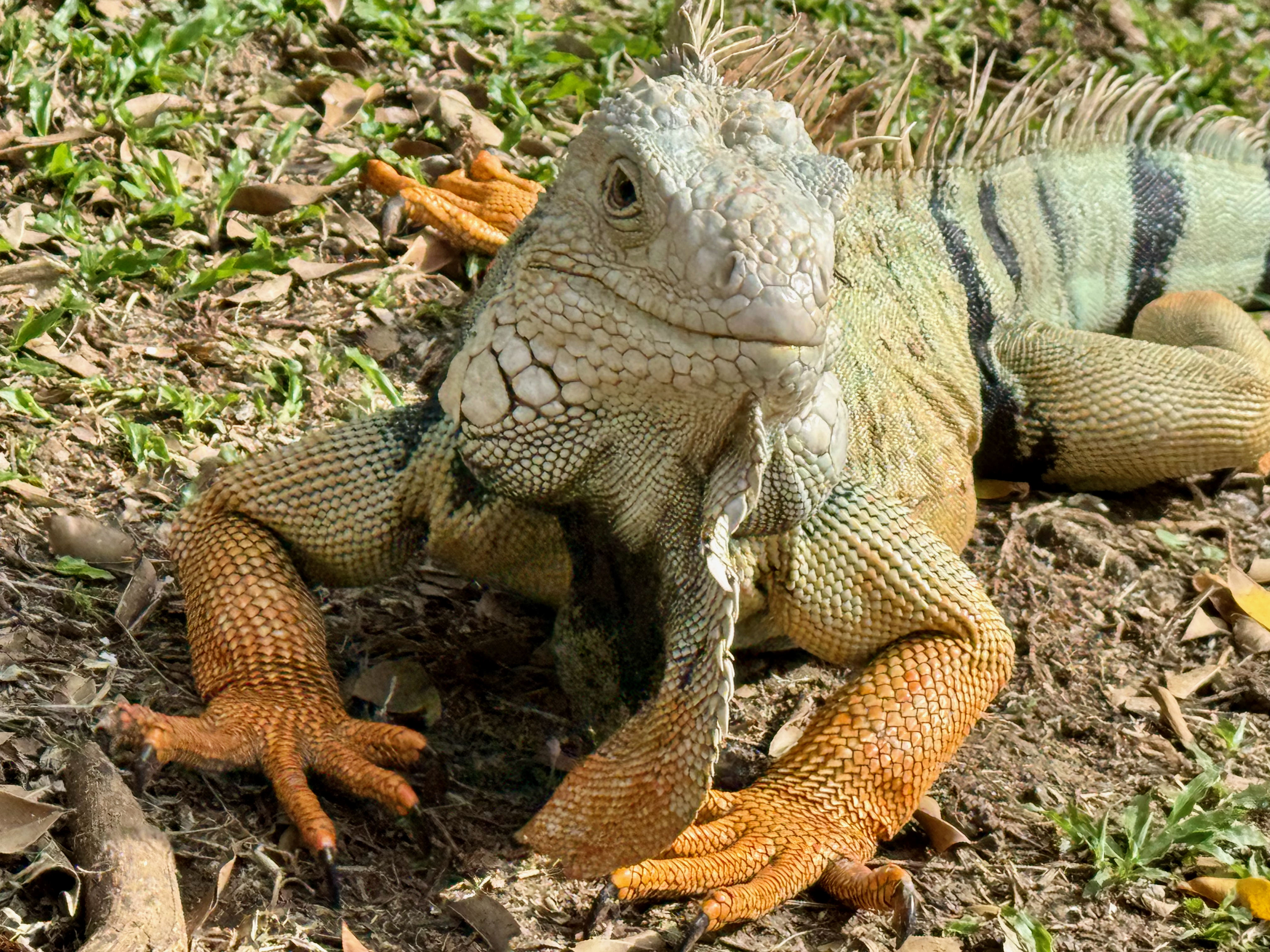
To conclude, I leave you with this guy. I called him Iggy for our short conversation about the forest.